5 min
read
Top 4 Business Case Studies
Top 4 Business Case Studies
Strategy
Marketing

Author
Scroll down
to read more!
Summerize with ChatGPT
Summerize with Gemini
Summerize with Claude
Top 4 Business Case Studies
Top 4 Business Case Studies
What Actually Happened, Why It Worked, and What You Can Take Away Business schools love turning these stories into lengthy, jargon-packed reports. We’re not doing that. This article breaks down four of the most important business case studies of the last few decades, Apple, Netflix, Amazon, and Airbnb, in plain language. No filler, no fluff. Just what happened, how it happened, and what you can actually learn from it.
What Actually Happened, Why It Worked, and What You Can Take Away Business schools love turning these stories into lengthy, jargon-packed reports. We’re not doing that. This article breaks down four of the most important business case studies of the last few decades, Apple, Netflix, Amazon, and Airbnb, in plain language. No filler, no fluff. Just what happened, how it happened, and what you can actually learn from it.
Case Study #1
Apple: From 90 Days to Bankruptcy to the World’s Most Valuable Company
The Situation
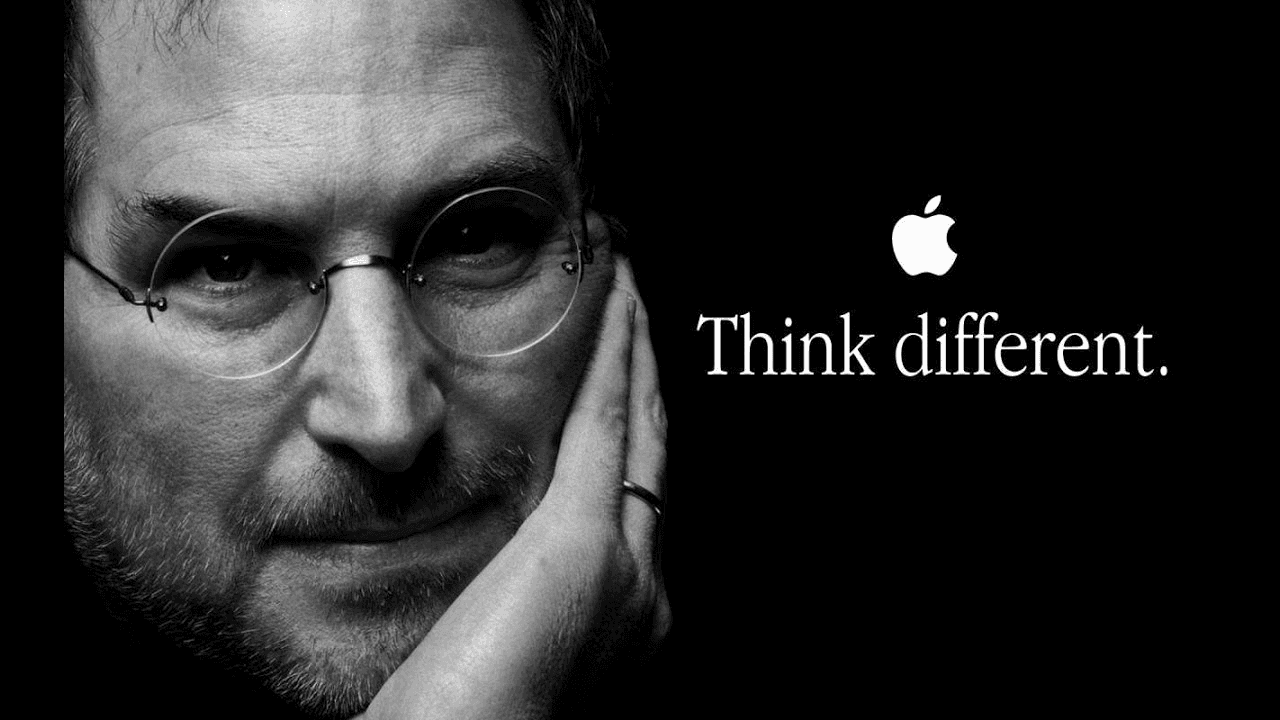
In 1997, Apple was genuinely weeks away from shutting down. Microsoft was dominant. Apple had been releasing a confusing mess of products, too many models, too little focus, and no clear reason for anyone to choose a Mac. The company had lost $1.04 billion that year and had roughly 90 days of cash left. Nobody was rushing to invest.
Then Steve Jobs came back. Not as the triumphant founder returning to reclaim his throne but, as someone brought in because Apple had run out of other options. Jobs had been away for 12 years, running NeXT and Pixar, and Apple actually acquired NeXT just to get him back.
What Jobs Actually Did
The first thing Jobs did was cut. He eliminated 70 per cent of Apple’s product line, narrowing the entire focus down to four product categories: desktop for consumers, desktop for professionals, laptop for consumers, and laptop for professionals. That’s it. Four boxes on a grid.
He then turned to design and experience as the competitive moat, not specs, not price. The iMac in 1998 was the visible result of this: a colourful, all-in-one computer that looked like nothing else on the market. It sold 800,000 units in the first five months.
But the real turning point came later. The iPod in 2001, iTunes in 2003, the iPhone in 2007, and the iPad in 2010 each disrupted an entirely different industry. Jobs wasn’t just turning around a computer company. He was building an ecosystem, hardware, software, and content, that locked users in through genuine love for the product.
Why It Worked
Most turnarounds try to fix everything. Jobs understood that trying to do everything was exactly what broke Apple in the first place. Fewer products meant better products. Better products meant loyal customers. Loyal customers meant pricing power, which meant margins that funded the next innovation.
The other thing Jobs did well was connect design to identity. Apple didn’t just sell computers; it sold the idea that owning an Apple product said something about you. That emotional connection is worth more than any feature list.
"Apple is about people who think outside the box, who want to use computers to help them change the world." Steve Jobs, 1997
Key Takeaways • Focus beats variety. Cutting your product line to do fewer things better is usually the right call. • Design is strategy, not decoration. How something looks and feels is part of the product, not an afterthought. • Build an ecosystem, not a product. Lock-in through value is far stickier than lock-in through contracts. • Revenue growth since Jobs returned: 821% over the following years. |
Also read: Monster Energy Brand Strategy
Case Study #2
Netflix: The Company That Killed Its Own Business Model Before Someone Else Did
The Situation
Netflix started in 1997 as a DVD-by-mail service. It was clever; you picked movies online, and they arrived at your door with no late fees. Blockbuster had 60,000 employees and 9,000 stores. Netflix had a website and a distribution center. On paper, Blockbuster should have crushed them.
But Reed Hastings, Netflix’s co-founder, understood something Blockbuster didn’t: the DVD model had a ceiling, and the internet was going to blow through it. So Netflix started preparing for a future where its current business wouldn’t exist.
The Pivot
In 2007, when most Americans still had relatively slow home internet connections, Netflix launched streaming as a free add-on to DVD subscriptions. The content library was limited. The quality wasn’t great. But the bet was on the direction of travel, not the current state of the technology.
By 2010, Netflix had over 20 million subscribers, and streaming had overtaken DVDs as the primary source of revenue. Blockbuster filed for bankruptcy that same year.
Then Netflix made another move that looked like a mistake at the time: it stopped waiting for Hollywood to license content and started making its own. House of Cards in 2013 cost $100 million for two seasons and became a critical hit. That wasn’t just content spending, it was a declaration that Netflix was now a studio.
The Stumble and Recovery
Netflix isn’t a perfect story. In 2011, the company tried to split into two services, Netflix for streaming and ‘Qwikster’ for DVDs, while raising prices at the same time. Subscribers revolted. 800,000 accounts were cancelled. The stock fell 77 percent. Hastings reversed the decision within weeks.
The lesson: even when you’re right about the long-term direction, you can be wrong about the speed and execution. Netflix recovered because the underlying strategy, streaming, originals, and global expansion, was sound. By 2015 it had 65 million subscribers. By the end of 2024, over 300 million.
Why It Worked
Netflix ran a deliberate, iterative process. Every major shift, from DVD to streaming, licensed content to originals, and US-only to 190 countries, was treated as a separate project with its own milestones and test groups. They used data obsessively, tracking what users watched, when they stopped watching, and what brought them back.
But more than anything, Netflix was willing to cannibalize its own business before a competitor did it for them. That’s rare. Most companies protect what’s working until it’s too late to change.
"Most companies that are in a death spiral have done nothing wrong. Their biggest mistake is that they continue to do what made them successful.": Reed Hastings
Key Takeaways • Kill your own product before someone else does. Proactive disruption beats reactive scrambling. • Original content was Netflix’s moat. When studios pulled licences, having owned content became existential. • Data-led decisions compound over time. Netflix’s recommendation engine and content decisions are built on years of viewing data. • Speed of execution matters as much as direction. The Qwikster mistake showed that the right strategy at the wrong pace still fails. |
Case Study #1
Apple: From 90 Days to Bankruptcy to the World’s Most Valuable Company
The Situation
In 1997, Apple was genuinely weeks away from shutting down. Microsoft was dominant. Apple had been releasing a confusing mess of products, too many models, too little focus, and no clear reason for anyone to choose a Mac. The company had lost $1.04 billion that year and had roughly 90 days of cash left. Nobody was rushing to invest.
Then Steve Jobs came back. Not as the triumphant founder returning to reclaim his throne but, as someone brought in because Apple had run out of other options. Jobs had been away for 12 years, running NeXT and Pixar, and Apple actually acquired NeXT just to get him back.
What Jobs Actually Did
The first thing Jobs did was cut. He eliminated 70 per cent of Apple’s product line, narrowing the entire focus down to four product categories: desktop for consumers, desktop for professionals, laptop for consumers, and laptop for professionals. That’s it. Four boxes on a grid.
He then turned to design and experience as the competitive moat, not specs, not price. The iMac in 1998 was the visible result of this: a colourful, all-in-one computer that looked like nothing else on the market. It sold 800,000 units in the first five months.
But the real turning point came later. The iPod in 2001, iTunes in 2003, the iPhone in 2007, and the iPad in 2010 each disrupted an entirely different industry. Jobs wasn’t just turning around a computer company. He was building an ecosystem, hardware, software, and content, that locked users in through genuine love for the product.
Why It Worked
Most turnarounds try to fix everything. Jobs understood that trying to do everything was exactly what broke Apple in the first place. Fewer products meant better products. Better products meant loyal customers. Loyal customers meant pricing power, which meant margins that funded the next innovation.
The other thing Jobs did well was connect design to identity. Apple didn’t just sell computers; it sold the idea that owning an Apple product said something about you. That emotional connection is worth more than any feature list.
"Apple is about people who think outside the box, who want to use computers to help them change the world." Steve Jobs, 1997
Key Takeaways • Focus beats variety. Cutting your product line to do fewer things better is usually the right call. • Design is strategy, not decoration. How something looks and feels is part of the product, not an afterthought. • Build an ecosystem, not a product. Lock-in through value is far stickier than lock-in through contracts. • Revenue growth since Jobs returned: 821% over the following years. |
Also read: Monster Energy Brand Strategy
Case Study #2
Netflix: The Company That Killed Its Own Business Model Before Someone Else Did
The Situation
Netflix started in 1997 as a DVD-by-mail service. It was clever; you picked movies online, and they arrived at your door with no late fees. Blockbuster had 60,000 employees and 9,000 stores. Netflix had a website and a distribution center. On paper, Blockbuster should have crushed them.
But Reed Hastings, Netflix’s co-founder, understood something Blockbuster didn’t: the DVD model had a ceiling, and the internet was going to blow through it. So Netflix started preparing for a future where its current business wouldn’t exist.
The Pivot
In 2007, when most Americans still had relatively slow home internet connections, Netflix launched streaming as a free add-on to DVD subscriptions. The content library was limited. The quality wasn’t great. But the bet was on the direction of travel, not the current state of the technology.
By 2010, Netflix had over 20 million subscribers, and streaming had overtaken DVDs as the primary source of revenue. Blockbuster filed for bankruptcy that same year.
Then Netflix made another move that looked like a mistake at the time: it stopped waiting for Hollywood to license content and started making its own. House of Cards in 2013 cost $100 million for two seasons and became a critical hit. That wasn’t just content spending, it was a declaration that Netflix was now a studio.
The Stumble and Recovery
Netflix isn’t a perfect story. In 2011, the company tried to split into two services, Netflix for streaming and ‘Qwikster’ for DVDs, while raising prices at the same time. Subscribers revolted. 800,000 accounts were cancelled. The stock fell 77 percent. Hastings reversed the decision within weeks.
The lesson: even when you’re right about the long-term direction, you can be wrong about the speed and execution. Netflix recovered because the underlying strategy, streaming, originals, and global expansion, was sound. By 2015 it had 65 million subscribers. By the end of 2024, over 300 million.
Why It Worked
Netflix ran a deliberate, iterative process. Every major shift, from DVD to streaming, licensed content to originals, and US-only to 190 countries, was treated as a separate project with its own milestones and test groups. They used data obsessively, tracking what users watched, when they stopped watching, and what brought them back.
But more than anything, Netflix was willing to cannibalize its own business before a competitor did it for them. That’s rare. Most companies protect what’s working until it’s too late to change.
"Most companies that are in a death spiral have done nothing wrong. Their biggest mistake is that they continue to do what made them successful.": Reed Hastings
Key Takeaways • Kill your own product before someone else does. Proactive disruption beats reactive scrambling. • Original content was Netflix’s moat. When studios pulled licences, having owned content became existential. • Data-led decisions compound over time. Netflix’s recommendation engine and content decisions are built on years of viewing data. • Speed of execution matters as much as direction. The Qwikster mistake showed that the right strategy at the wrong pace still fails. |
Case Study #3
Amazon: The Flywheel That Never Stops Spinning
The Situation
In 1994, Jeff Bezos quit his Wall Street job and drove across the country to start an online bookstore. He made a list of products that could be sold on the internet, and books made the most sense, there were millions of titles, they were easy to ship, and no physical store could stock them all.
Amazon’s early years were defined by doing the basics well: fast delivery, low prices, easy returns. But Bezos wasn’t thinking about books. He was thinking about what he called ‘the everything store.’
The Flywheel
In 2001, Bezos sketched a diagram on a napkin that would become Amazon’s core strategy. The idea was simple and self-reinforcing: lower prices attract more customers. More customers mean more sales volume. More volume attracts third-party sellers. More sellers mean a wider selection. Wider selection and better prices improve customer experience. Which attracts more customers? Which lowers costs further. And around it goes.
The genius of this model is that every improvement feeds every other improvement. It’s not a linear strategy; it’s a loop. Once it gets going, it’s very hard to stop.
Amazon Prime, launched in 2005, was a supercharger on top of this flywheel. Pay an annual fee, get free shipping. That one change shifted the psychology of buying on Amazon, suddenly, because you’d already paid for shipping, you defaulted to buying everything on Amazon rather than shopping around.
AWS: The Business Nobody Saw Coming
In 2006, Amazon launched Amazon Web Services, a cloud computing infrastructure rented out to other businesses. It seemed unrelated to e-commerce. It was actually the most important thing Amazon ever built.
AWS now powers a significant chunk of the internet, including Netflix and Airbnb (two other companies in this article). More importantly, AWS generates massive operating margins, far higher than retail, which funds Amazon’s continued investment in lower prices, faster delivery, and new ventures like Amazon Go, Alexa, and healthcare.
The retail division runs on thin margins by design. AWS subsidises the whole operation. That’s not an accident, it’s the strategy.
Why It Worked
Amazon is built on systems, not individuals. The flywheel isn’t dependent on any one person making a smart call every day — it’s an architecture that produces good outcomes when you feed it. Bezos called this ‘Day 1’ thinking: act like it’s the first day, stay paranoid, keep moving. ‘Day 2,’ he said, ‘is stasis, followed by irrelevance, followed by death.’
Amazon also had an unusual tolerance for failure. The Fire Phone was a disaster. Amazon Local bombed. Dozens of experiments quietly disappeared. But the winners, AWS, Prime, Alexa, and Marketplace, more than covered the losses.
"Your margin is my opportunity": Jeff Bezos
Key Takeaways • A self-reinforcing system beats a brilliant one-off decision every time. • Adjacent businesses built on your core competency can become your most valuable assets (AWS, Prime). • Tolerance for failure at scale requires institutional support. One department’s losses fund another’s wins. • Customer obsession is not a slogan. At Amazon, every major decision runs through: how does this improve the customer’s experience? |
Also read: 5 proven ways to improve your creative thinking
Case Study #4
Airbnb: Air Mattresses, Obama Cereal, and a $75 Billion Company
The Situation
In 2007, Brian Chesky and Joe Gebbia couldn’t pay their rent in San Francisco. A design conference was coming to town. All the hotels were full. So they bought three air mattresses, set up a basic website called ‘Air Bed and Breakfast,’ and offered strangers a place to sleep in their apartment for $80 a night.
Three people booked. The idea worked. But turning it into a real company was another matter entirely.
The Struggle
For the first year, almost nothing happened. Investors passed. The site had almost no traffic. The bookings they did get were small and sporadic. Chesky and Gebbia were so broke they survived on cereal, specifically, themed cereal boxes they’d designed and sold during the 2008 US election: ‘Obama O’s’ and ‘Cap’n McCain’s.’ They sold 500 boxes at $40 each and raised $30,000. It kept the company alive.
In 2009, Y Combinator accepted Airbnb into its startup program and gave them $20,000. Paul Graham, the program's founder, gave them advice that changed everything: go to New York, meet your hosts, and look at their listings. So they did.
What they found was that the listings looked terrible. Dark photos, poor angles, messy rooms. So the founders rented a camera and personally photographed the homes of Airbnb hosts in New York. Bookings in New York doubled.
The Growth
That one insight, that listing quality was directly tied to bookings, became a company-wide strategy. Airbnb built professional photography programmes, improved the design of the host onboarding experience, and focused heavily on building trust between strangers.
The trust problem was the core challenge for Airbnb. Why would you let a stranger sleep in your home? Why would you stay in a stranger’s home? Airbnb solved this through verified profiles, reviews on both sides, secure payments, and eventually insurance guarantees for hosts.
By 2012, Airbnb had over one million bookings. By 2015, it was valued at $25 billion, more than most hotel chains despite owning zero properties. Today it operates in over 220 countries with more than 7 million listings, a number that dwarfs the combined inventory of the top five hotel brands.
The COVID Test
In March 2020, Airbnb’s bookings dropped 80 percent in eight weeks. The company had to lay off 1,900 employees, 25 percent of its workforce. It had been planning an IPO.
Instead of retreating, Airbnb doubled down on longer stays and domestic travel. As international travel froze, people started booking Airbnbs for a month at a time to work remotely somewhere new. Chesky refocused the business around that behaviour. By the time Airbnb IPO’d in December 2020, it was one of the largest IPOs of the year.
Why It Worked
Airbnb is an asset-light business built entirely on trust. It owns no properties. It employs no housekeeping staff. Its entire value is the network of hosts and guests, and the systems that make it safe and easy for them to transact with each other.
The sharing economy only works when you solve the trust problem at scale. Airbnb did that through design, the UI, the review system, the insurance programme, the photography. Every design decision was ultimately a trust decision.
"Start-ups don’t die when they run out of money. They die when founders lose faith.", Brian Chesky
Key Takeaways • Great businesses often start from personal problems. Both Airbnb’s founders and their early users had the same problem: expensive, inflexible accommodation. • Talk to your users, then go deeper. The photography insight didn’t come from data. It came from showing up in person. • In a trust-based business, your product is the trust infrastructure, not the thing being transacted. • Crisis can clarify strategy. COVID forced Airbnb to understand what its core product actually was: flexible, longer-term stays. |
Case Study #3
Amazon: The Flywheel That Never Stops Spinning
The Situation
In 1994, Jeff Bezos quit his Wall Street job and drove across the country to start an online bookstore. He made a list of products that could be sold on the internet, and books made the most sense, there were millions of titles, they were easy to ship, and no physical store could stock them all.
Amazon’s early years were defined by doing the basics well: fast delivery, low prices, easy returns. But Bezos wasn’t thinking about books. He was thinking about what he called ‘the everything store.’
The Flywheel
In 2001, Bezos sketched a diagram on a napkin that would become Amazon’s core strategy. The idea was simple and self-reinforcing: lower prices attract more customers. More customers mean more sales volume. More volume attracts third-party sellers. More sellers mean a wider selection. Wider selection and better prices improve customer experience. Which attracts more customers? Which lowers costs further. And around it goes.
The genius of this model is that every improvement feeds every other improvement. It’s not a linear strategy; it’s a loop. Once it gets going, it’s very hard to stop.
Amazon Prime, launched in 2005, was a supercharger on top of this flywheel. Pay an annual fee, get free shipping. That one change shifted the psychology of buying on Amazon, suddenly, because you’d already paid for shipping, you defaulted to buying everything on Amazon rather than shopping around.
AWS: The Business Nobody Saw Coming
In 2006, Amazon launched Amazon Web Services, a cloud computing infrastructure rented out to other businesses. It seemed unrelated to e-commerce. It was actually the most important thing Amazon ever built.
AWS now powers a significant chunk of the internet, including Netflix and Airbnb (two other companies in this article). More importantly, AWS generates massive operating margins, far higher than retail, which funds Amazon’s continued investment in lower prices, faster delivery, and new ventures like Amazon Go, Alexa, and healthcare.
The retail division runs on thin margins by design. AWS subsidises the whole operation. That’s not an accident, it’s the strategy.
Why It Worked
Amazon is built on systems, not individuals. The flywheel isn’t dependent on any one person making a smart call every day — it’s an architecture that produces good outcomes when you feed it. Bezos called this ‘Day 1’ thinking: act like it’s the first day, stay paranoid, keep moving. ‘Day 2,’ he said, ‘is stasis, followed by irrelevance, followed by death.’
Amazon also had an unusual tolerance for failure. The Fire Phone was a disaster. Amazon Local bombed. Dozens of experiments quietly disappeared. But the winners, AWS, Prime, Alexa, and Marketplace, more than covered the losses.
"Your margin is my opportunity": Jeff Bezos
Key Takeaways • A self-reinforcing system beats a brilliant one-off decision every time. • Adjacent businesses built on your core competency can become your most valuable assets (AWS, Prime). • Tolerance for failure at scale requires institutional support. One department’s losses fund another’s wins. • Customer obsession is not a slogan. At Amazon, every major decision runs through: how does this improve the customer’s experience? |
Also read: 5 proven ways to improve your creative thinking
Case Study #4
Airbnb: Air Mattresses, Obama Cereal, and a $75 Billion Company
The Situation
In 2007, Brian Chesky and Joe Gebbia couldn’t pay their rent in San Francisco. A design conference was coming to town. All the hotels were full. So they bought three air mattresses, set up a basic website called ‘Air Bed and Breakfast,’ and offered strangers a place to sleep in their apartment for $80 a night.
Three people booked. The idea worked. But turning it into a real company was another matter entirely.
The Struggle
For the first year, almost nothing happened. Investors passed. The site had almost no traffic. The bookings they did get were small and sporadic. Chesky and Gebbia were so broke they survived on cereal, specifically, themed cereal boxes they’d designed and sold during the 2008 US election: ‘Obama O’s’ and ‘Cap’n McCain’s.’ They sold 500 boxes at $40 each and raised $30,000. It kept the company alive.
In 2009, Y Combinator accepted Airbnb into its startup program and gave them $20,000. Paul Graham, the program's founder, gave them advice that changed everything: go to New York, meet your hosts, and look at their listings. So they did.
What they found was that the listings looked terrible. Dark photos, poor angles, messy rooms. So the founders rented a camera and personally photographed the homes of Airbnb hosts in New York. Bookings in New York doubled.
The Growth
That one insight, that listing quality was directly tied to bookings, became a company-wide strategy. Airbnb built professional photography programmes, improved the design of the host onboarding experience, and focused heavily on building trust between strangers.
The trust problem was the core challenge for Airbnb. Why would you let a stranger sleep in your home? Why would you stay in a stranger’s home? Airbnb solved this through verified profiles, reviews on both sides, secure payments, and eventually insurance guarantees for hosts.
By 2012, Airbnb had over one million bookings. By 2015, it was valued at $25 billion, more than most hotel chains despite owning zero properties. Today it operates in over 220 countries with more than 7 million listings, a number that dwarfs the combined inventory of the top five hotel brands.
The COVID Test
In March 2020, Airbnb’s bookings dropped 80 percent in eight weeks. The company had to lay off 1,900 employees, 25 percent of its workforce. It had been planning an IPO.
Instead of retreating, Airbnb doubled down on longer stays and domestic travel. As international travel froze, people started booking Airbnbs for a month at a time to work remotely somewhere new. Chesky refocused the business around that behaviour. By the time Airbnb IPO’d in December 2020, it was one of the largest IPOs of the year.
Why It Worked
Airbnb is an asset-light business built entirely on trust. It owns no properties. It employs no housekeeping staff. Its entire value is the network of hosts and guests, and the systems that make it safe and easy for them to transact with each other.
The sharing economy only works when you solve the trust problem at scale. Airbnb did that through design, the UI, the review system, the insurance programme, the photography. Every design decision was ultimately a trust decision.
"Start-ups don’t die when they run out of money. They die when founders lose faith.", Brian Chesky
Key Takeaways • Great businesses often start from personal problems. Both Airbnb’s founders and their early users had the same problem: expensive, inflexible accommodation. • Talk to your users, then go deeper. The photography insight didn’t come from data. It came from showing up in person. • In a trust-based business, your product is the trust infrastructure, not the thing being transacted. • Crisis can clarify strategy. COVID forced Airbnb to understand what its core product actually was: flexible, longer-term stays. |
Conclusion
Four very different companies, four very different stories. But step back and the same themes keep showing up:
• Sacrifice. They were willing to hurt short-term performance to build something durable.
• Focus. Each of them found and kept focus when the easier path was to expand.
• Customer proximity. Every one of them sat close to their customers and acted on what they found.
• Adaptability. Apple, Netflix, Amazon, and Airbnb all pivoted when the market changed, before it was too late.
• Conviction. The founders took bold positions and stuck with them through backlash and bad quarters.
Most businesses fail not because of bad luck, but because they try to do too much, stay too far from their customers, or protect what’s working for too long. The companies above built systems that kept them honest.
The question worth asking is simple: which of these patterns shows up in how your business operates today, and which ones are missing?
Want content that grows your brand? Motion Labs helps startups produce high-quality content, AI video, UGC campaigns, and social media strategy that drives real results. Visit motionlabs.agency |
Conclusion
Four very different companies, four very different stories. But step back and the same themes keep showing up:
• Sacrifice. They were willing to hurt short-term performance to build something durable.
• Focus. Each of them found and kept focus when the easier path was to expand.
• Customer proximity. Every one of them sat close to their customers and acted on what they found.
• Adaptability. Apple, Netflix, Amazon, and Airbnb all pivoted when the market changed, before it was too late.
• Conviction. The founders took bold positions and stuck with them through backlash and bad quarters.
Most businesses fail not because of bad luck, but because they try to do too much, stay too far from their customers, or protect what’s working for too long. The companies above built systems that kept them honest.
The question worth asking is simple: which of these patterns shows up in how your business operates today, and which ones are missing?
Want content that grows your brand? Motion Labs helps startups produce high-quality content, AI video, UGC campaigns, and social media strategy that drives real results. Visit motionlabs.agency |
the call your competitor wish you would'nt take


Related Posts


Related Posts
Related Posts
Motion labs
info@motionlabs.agency


+971 55317 1706
578 Market St, San Francisco, CA 94105, USA
click to meet me :)
click to meet me :)
© All Rights Reserved | 2026


Motion labs
info@motionlabs.agency
+971 55317 1706
578 Market St, San Francisco, CA 94105, USA
Private policy
Terms & Conditions
© All Rights Reserved | 2026
click to meet me :)