/
/
SaaS Content Marketing Services in the USA: How to Scale Growth Without Scaling Headcount
SaaS Content Marketing Services in the USA: How to Scale Growth Without Scaling Headcount
5 min
read
SaaS Content Marketing Services in the USA: How to Scale Growth Without Scaling Headcount
SaaS Content Marketing Services in the USA: How to Scale Growth Without Scaling Headcount
Content
Marketing

Author

Scroll down
to read more!
Summerize with ChatGPT
Summerize with Gemini
Summerize with Claude
SaaS Content Marketing Services in the USA: How to Scale Growth Without Scaling Headcount
SaaS Content Marketing Services in the USA: How to Scale Growth Without Scaling Headcount
The SaaS market in the United States has never been more crowded — or more expensive to compete in. Paid acquisition costs keep climbing, trial-to-paid conversion rates keep shrinking, and buyers are doing more research before ever talking to a sales rep. In this environment, content marketing isn't a "nice to have" channel anymore. It's the mechanism that builds trust, shortens sales cycles, and keeps customer acquisition costs sane.
The SaaS market in the United States has never been more crowded — or more expensive to compete in. Paid acquisition costs keep climbing, trial-to-paid conversion rates keep shrinking, and buyers are doing more research before ever talking to a sales rep. In this environment, content marketing isn't a "nice to have" channel anymore. It's the mechanism that builds trust, shortens sales cycles, and keeps customer acquisition costs sane.
But "content marketing" for a SaaS company in 2026 looks very different from the blog-and-newsletter playbook of a few years ago. Buyers want to see products in action, not just read about them. They want proof from real users, not just polished brand messaging. And they want it delivered on the platforms they already spend time on — YouTube, LinkedIn, TikTok, and Instagram — not buried in a corporate blog nobody visits.
This is where a specialized content marketing partner becomes valuable: a team that understands both the SaaS buying journey and how to produce content at the volume and speed modern channels demand.
SaaS products are often complex, intangible, and sold to skeptical, technical buyers. That creates three specific content challenges:
1. Explaining the product without a wall of text. Feature lists and static screenshots don't convert the way they used to. Buyers want to see the product working — ideally in under 60 seconds. This is why video has become the backbone of SaaS content strategy, and why so many companies now rely on AI avatars and AI video production to turn product updates, onboarding flows, and feature explainers into fast, consistent video content without booking a studio or a presenter every time something ships.
2. Building trust at scale. SaaS buyers trust other users far more than they trust marketing copy. Case studies help, but they're slow to produce and rarely tell the full story. This is why UGC at scale has become a core pillar of SaaS content marketing — authentic, creator-style videos showing real use cases, real objections being answered, and real results, produced in volume so there's always fresh proof points to run in ads, on landing pages, and across social.
3. Actually getting seen. Great content that nobody watches doesn't move pipeline. SaaS marketing teams increasingly need partners who understand distribution and platform mechanics, not just production. That's the gap filled by dedicated content creation and virality services — content engineered from the start for how algorithms actually surface and reward video, so growth doesn't depend on a single lucky post.
But "content marketing" for a SaaS company in 2026 looks very different from the blog-and-newsletter playbook of a few years ago. Buyers want to see products in action, not just read about them. They want proof from real users, not just polished brand messaging. And they want it delivered on the platforms they already spend time on — YouTube, LinkedIn, TikTok, and Instagram — not buried in a corporate blog nobody visits.
This is where a specialized content marketing partner becomes valuable: a team that understands both the SaaS buying journey and how to produce content at the volume and speed modern channels demand.
SaaS products are often complex, intangible, and sold to skeptical, technical buyers. That creates three specific content challenges:
1. Explaining the product without a wall of text. Feature lists and static screenshots don't convert the way they used to. Buyers want to see the product working — ideally in under 60 seconds. This is why video has become the backbone of SaaS content strategy, and why so many companies now rely on AI avatars and AI video production to turn product updates, onboarding flows, and feature explainers into fast, consistent video content without booking a studio or a presenter every time something ships.
2. Building trust at scale. SaaS buyers trust other users far more than they trust marketing copy. Case studies help, but they're slow to produce and rarely tell the full story. This is why UGC at scale has become a core pillar of SaaS content marketing — authentic, creator-style videos showing real use cases, real objections being answered, and real results, produced in volume so there's always fresh proof points to run in ads, on landing pages, and across social.
3. Actually getting seen. Great content that nobody watches doesn't move pipeline. SaaS marketing teams increasingly need partners who understand distribution and platform mechanics, not just production. That's the gap filled by dedicated content creation and virality services — content engineered from the start for how algorithms actually surface and reward video, so growth doesn't depend on a single lucky post.
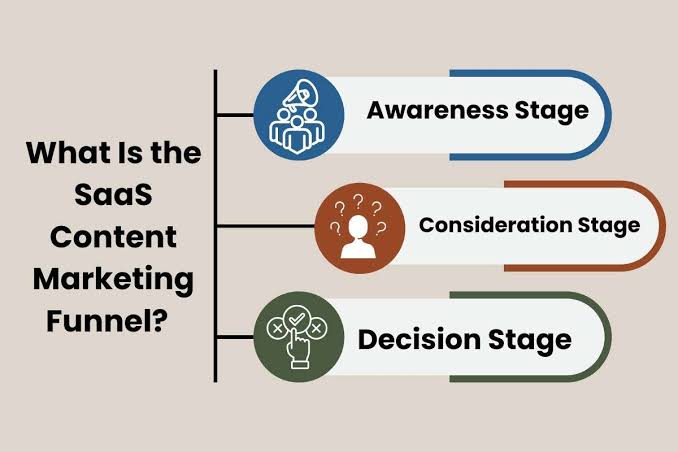
A strong content engine for a SaaS company usually blends these elements:
Always-on video production — explainer videos, feature announcements, and onboarding content that don't require a new shoot every time
A steady pipeline of authentic, user-style content that builds social proof faster than traditional case studies
A distribution-first mindset, where content is built to perform on the specific platform it's posted to, not repurposed as an afterthought
Consistent brand voice across formats, from long-form YouTube walkthroughs to 15-second TikTok hooks
Tight feedback loops with product and sales, so content reflects what's actually converting trials and closing deals
The common thread: speed and volume matter as much as polish. SaaS buying cycles move fast, and a content team that can only produce a handful of assets a month can't keep pace with a modern go-to-market motion.
A strong content engine for a SaaS company usually blends these elements:
Always-on video production — explainer videos, feature announcements, and onboarding content that don't require a new shoot every time
A steady pipeline of authentic, user-style content that builds social proof faster than traditional case studies
A distribution-first mindset, where content is built to perform on the specific platform it's posted to, not repurposed as an afterthought
Consistent brand voice across formats, from long-form YouTube walkthroughs to 15-second TikTok hooks
Tight feedback loops with product and sales, so content reflects what's actually converting trials and closing deals
The common thread: speed and volume matter as much as polish. SaaS buying cycles move fast, and a content team that can only produce a handful of assets a month can't keep pace with a modern go-to-market motion.

When evaluating a content marketing service for your SaaS company, look for a partner who can:
Produce video content on-demand without expensive per-shoot overhead
Generate creator-style, user-generated content in volume, not one-off
Understand platform-specific distribution, not just content creation
Move quickly enough to match your product release and campaign cadence
Show real examples of SaaS brands they've helped grow
Agencies built around modern production methods — combining AI-driven video tools with strategic UGC and distribution planning — are increasingly the better fit for SaaS companies than traditional agencies built around one-off campaign work.
Frequently asked questions
1. What is SaaS content marketing?
SaaS content marketing is the process of creating and distributing content — video, written, and social — that educates potential buyers, builds trust, and shortens the sales cycle for software products. Unlike traditional marketing, it focuses heavily on demonstrating product value rather than just describing it, since SaaS buyers typically want to see a product in action before committing to a trial or demo.
2. Why is video content so important for SaaS companies specifically?
SaaS products are often abstract and feature-heavy, which makes them hard to sell through text alone. Video lets buyers see the interface, workflow, and outcomes in seconds rather than reading through documentation. It also performs better on the platforms where B2B buyers now spend research time, like YouTube and LinkedIn.
3. How is UGC different from traditional testimonials or case studies?
Traditional case studies are usually long-form, heavily edited, and produced infrequently. UGC (user-generated content) is shorter, more casual, and produced at volume, which makes it feel more authentic and lets a company constantly refresh its social proof across ads, landing pages, and social feeds instead of relying on the same two or three case studies for months.
4. Can AI-generated video content actually work for a SaaS brand?
Yes, when used correctly. AI avatars and AI-assisted video production allow SaaS teams to produce consistent explainer and update videos on-demand, without booking a studio, hiring a presenter, or waiting weeks for a production schedule. It's especially useful for frequent, lower-stakes content like feature announcements, onboarding walkthroughs, and release notes.
5. How much content does a SaaS company actually need to publish?
There's no universal number, but the underlying principle is consistency over occasional bursts. Buyers and algorithms both reward brands that show up regularly. Many SaaS companies find more success posting frequently across a few key formats (short-form video, UGC-style clips, and platform-native posts) than publishing sporadically across many channels.
6. What's the difference between content creation and content distribution?
Content creation is producing the asset itself — the video, post, or article. Distribution is making sure the right audience actually sees it, which depends on understanding platform algorithms, timing, formatting, and audience behavior. A common mistake SaaS marketing teams make is investing heavily in creation while treating distribution as an afterthought.
7. How do I choose the right content marketing partner for my SaaS company?
Look for a partner who can produce video content quickly and affordably, generate authentic UGC-style content in volume, and demonstrate a real understanding of platform-specific distribution — not just an agency that delivers a handful of polished assets per month. Ask to see examples of SaaS brands they've worked with and how their content performed, not just how it looked.
Final Thoughts
Content marketing for SaaS in the U.S. has shifted from "publish and hope" to a system: consistent video production, authentic social proof, and content built for how people actually discover software today. Companies that treat content as a growth engine — not a side project — are the ones pulling ahead on organic pipeline while their competitors keep bidding up paid acquisition costs.
If your SaaS company is ready to build that engine, it starts with the right production and distribution partner — one who can turn your product story into content that gets watched, trusted, and shared.
When evaluating a content marketing service for your SaaS company, look for a partner who can:
Produce video content on-demand without expensive per-shoot overhead
Generate creator-style, user-generated content in volume, not one-off
Understand platform-specific distribution, not just content creation
Move quickly enough to match your product release and campaign cadence
Show real examples of SaaS brands they've helped grow
Agencies built around modern production methods — combining AI-driven video tools with strategic UGC and distribution planning — are increasingly the better fit for SaaS companies than traditional agencies built around one-off campaign work.
Frequently asked questions
1. What is SaaS content marketing?
SaaS content marketing is the process of creating and distributing content — video, written, and social — that educates potential buyers, builds trust, and shortens the sales cycle for software products. Unlike traditional marketing, it focuses heavily on demonstrating product value rather than just describing it, since SaaS buyers typically want to see a product in action before committing to a trial or demo.
2. Why is video content so important for SaaS companies specifically?
SaaS products are often abstract and feature-heavy, which makes them hard to sell through text alone. Video lets buyers see the interface, workflow, and outcomes in seconds rather than reading through documentation. It also performs better on the platforms where B2B buyers now spend research time, like YouTube and LinkedIn.
3. How is UGC different from traditional testimonials or case studies?
Traditional case studies are usually long-form, heavily edited, and produced infrequently. UGC (user-generated content) is shorter, more casual, and produced at volume, which makes it feel more authentic and lets a company constantly refresh its social proof across ads, landing pages, and social feeds instead of relying on the same two or three case studies for months.
4. Can AI-generated video content actually work for a SaaS brand?
Yes, when used correctly. AI avatars and AI-assisted video production allow SaaS teams to produce consistent explainer and update videos on-demand, without booking a studio, hiring a presenter, or waiting weeks for a production schedule. It's especially useful for frequent, lower-stakes content like feature announcements, onboarding walkthroughs, and release notes.
5. How much content does a SaaS company actually need to publish?
There's no universal number, but the underlying principle is consistency over occasional bursts. Buyers and algorithms both reward brands that show up regularly. Many SaaS companies find more success posting frequently across a few key formats (short-form video, UGC-style clips, and platform-native posts) than publishing sporadically across many channels.
6. What's the difference between content creation and content distribution?
Content creation is producing the asset itself — the video, post, or article. Distribution is making sure the right audience actually sees it, which depends on understanding platform algorithms, timing, formatting, and audience behavior. A common mistake SaaS marketing teams make is investing heavily in creation while treating distribution as an afterthought.
7. How do I choose the right content marketing partner for my SaaS company?
Look for a partner who can produce video content quickly and affordably, generate authentic UGC-style content in volume, and demonstrate a real understanding of platform-specific distribution — not just an agency that delivers a handful of polished assets per month. Ask to see examples of SaaS brands they've worked with and how their content performed, not just how it looked.
Final Thoughts
Content marketing for SaaS in the U.S. has shifted from "publish and hope" to a system: consistent video production, authentic social proof, and content built for how people actually discover software today. Companies that treat content as a growth engine — not a side project — are the ones pulling ahead on organic pipeline while their competitors keep bidding up paid acquisition costs.
If your SaaS company is ready to build that engine, it starts with the right production and distribution partner — one who can turn your product story into content that gets watched, trusted, and shared.
the call your competitor wish you would'nt take


Related Posts



Related Posts
Related Posts
Motion labs
info@motionlabs.agency


+971 55317 1706
578 Market St, San Francisco, CA 94105, USA
click to meet me :)
click to meet me :)
© All Rights Reserved | 2026


Motion labs
info@motionlabs.agency
+971 55317 1706
578 Market St, San Francisco, CA 94105, USA
Private policy
Terms & Conditions
© All Rights Reserved | 2026
click to meet me :)