/
/
TikTok vs YouTube Content Creators: Which One Should Brands Hire First?
TikTok vs YouTube Content Creators: Which One Should Brands Hire First?
5 min
read
TikTok vs YouTube Content Creators: Which One Should Brands Hire First?
TikTok vs YouTube Content Creators: Which One Should Brands Hire First?
Content
Marketing

Author

Scroll down
to read more!
Summerize with ChatGPT
Summerize with Gemini
Summerize with Claude
TikTok vs YouTube Content Creators: Which One Should Brands Hire First?
TikTok vs YouTube Content Creators: Which One Should Brands Hire First?
A buyer's guide to TikTok and YouTube content creators: how they differ, what brands should brief, what they cost, and which platform to start with. tiktok content creator for brands, youtube content creator for brands, hire content creators, creator marketing agency.
A buyer's guide to TikTok and YouTube content creators: how they differ, what brands should brief, what they cost, and which platform to start with. tiktok content creator for brands, youtube content creator for brands, hire content creators, creator marketing agency.
A TikTok content creator makes short, fast, native-format video built for the For You page, where a viewer decides to keep watching within the first second. A YouTube content creator builds longer, structured video that a viewer actively searches for, subscribes to, or gets served through the suggested feed. Both are hired for the same underlying reason: brands need a person, not a logo, to make the product believable. Where they differ is the muscle. TikTok creators are trained on trend velocity and sound. YouTube creators are trained on structure and retention across minutes, not seconds.
The line has blurred since YouTube Shorts launched, and a growing number of creators now work both formats from a single shoot. That does not erase the difference in what each platform rewards. It just means brands can often buy both from one relationship instead of two.
Why Are Brands Hiring TikTok and YouTube Creators Instead of Running Ads Alone?
Paid ads still buy reach. What they do not buy on their own is trust, and trust is what a creator's face and voice supply. A brand that only runs polished ad units looks like every other brand running polished ad units. A creator on camera, filming in their own style, reads as a recommendation rather than an interruption.
The platform difference matters here too. SaaS Video content marketing makes the case that distribution needs to be designed into the asset itself rather than added afterwards, which is exactly why platform-native creators outperform repurposed ad creative.
Platform Comparison at a Glance
Factor | TikTok Creators | YouTube Creators |
|---|---|---|
Primary strength | Cold reach, discovery, trend velocity | Trust, depth, search compounding |
Content length | Seconds to a minute, fast cuts | Long-form plus Shorts, room to explain |
Discovery mechanic | For You page, interest graph | Search intent plus suggested feed |
Shelf life | Days, occasionally a resurgence | Months to years, still gets indexed |
Best funnel stage | Awareness, top of funnel | Consideration through conversion |
Production style | Native, rough, phone-shot | Higher polish tolerated, still needs a hook |
Repurposing direction | Cuts down easily into Shorts, Reels | Long-form is the source, cuts down everywhere |
What Content Formats Work Best on TikTok vs YouTube?
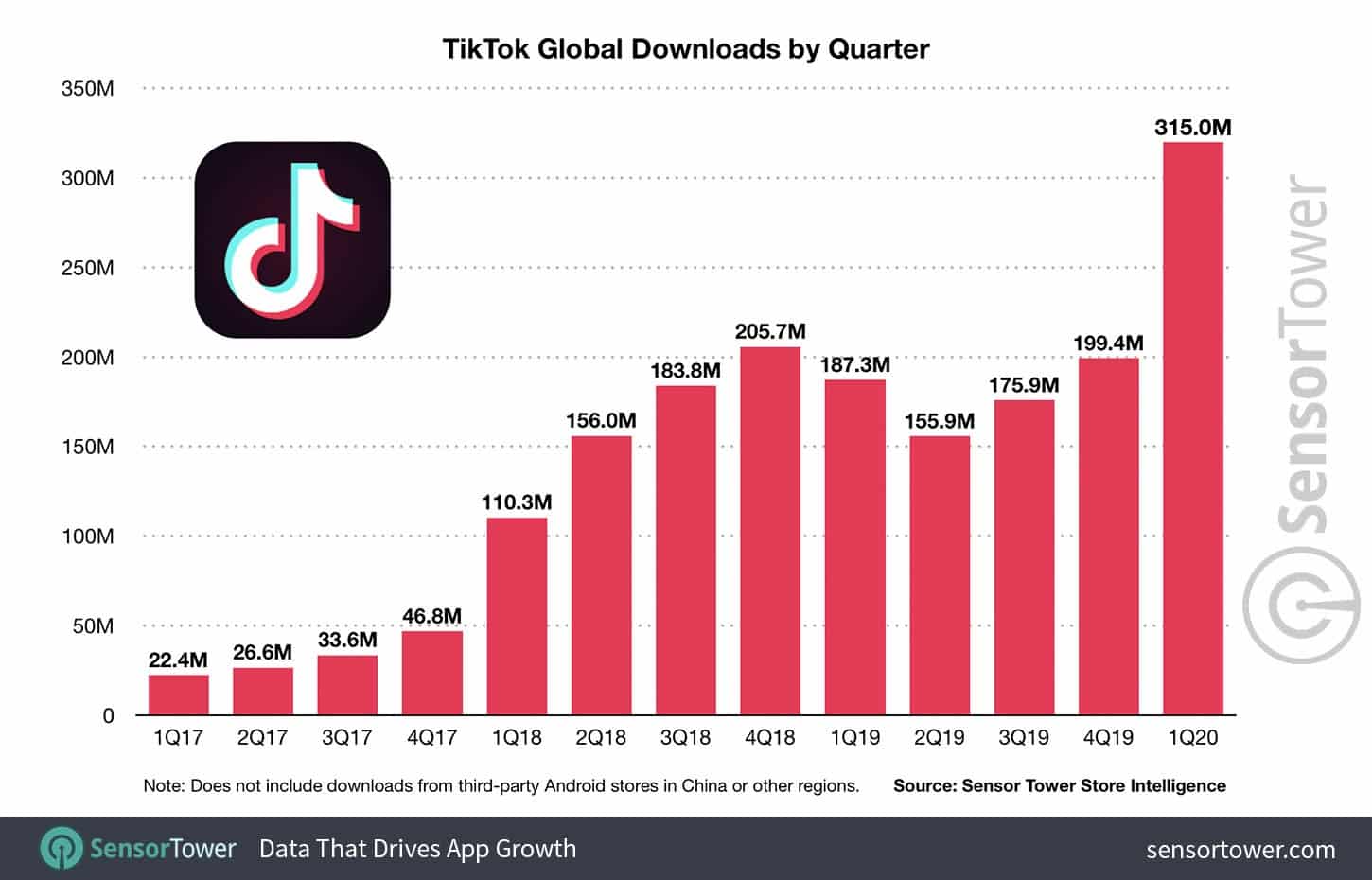
Match the format to the job before matching it to the platform. A brand that only ever asks for a generic video is asking creators to guess what success looks like.
Content Type | Better Platform | What It Is Good For |
|---|---|---|
Trend and sound-based skits | TikTok | Cold reach and top-of-funnel discovery |
Unboxing and first impressions | TikTok, Shorts | Purchase curiosity, fast turnaround |
In-depth product review | YouTube long-form | Consideration stage, high buyer intent |
Founder or expert explainer | YouTube long-form | Category authority and B2B trust |
Day-in-the-life or vlog integration | YouTube, TikTok | Parasocial trust and brand recall |
Quick tips and hacks | TikTok, Shorts | Shareability and saves |
Tutorial and how-to | YouTube long-form | Search capture, evergreen watch time |
How Do You Find and Vet TikTok and YouTube Content Creators?
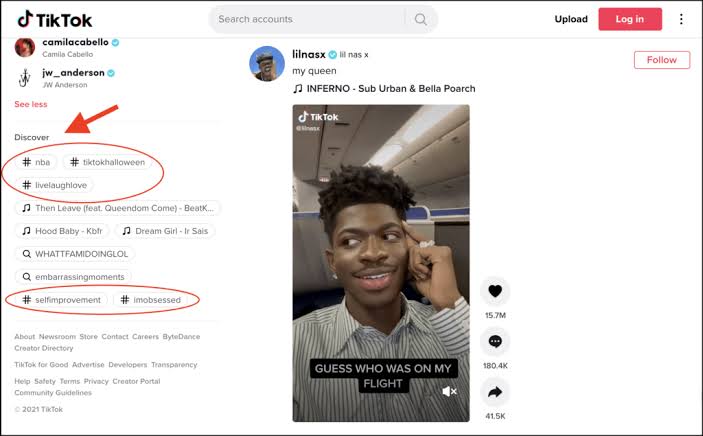
Define the creator profile first. Platform, audience age band, content style, and whether the ask is face-to-camera or voiceover.
Search by format, not by follower or subscriber count. Find who already makes the exact video you want, then commission more of it.
Review the last twenty posts or uploads, not the pinned highlight. Recent consistency predicts delivery quality better than a best-of reel.
Run one paid test asset before signing a retainer. It reveals turnaround time and revision behaviour faster than a call ever will.
Lock usage rights, whitelisting, and duration in the first contract, since renegotiating after an asset performs costs more.
Keep a bench of both TikTok-first and YouTube-first creators, since the two skill sets rarely live in the same person at scale.
What Should a Creator Brief Include?
The single message the video has to land, in one sentence.
Two or three hook directions, with room for the creator to propose their own.
Non-negotiable product facts, plus any claim that is legally off limits.
Platform-specific technical specs: aspect ratio, caption style, sound or music clearance, video length range.
Deliverable count, revision rounds, deadline, and where the asset can run.
A TikTok content creator makes short, fast, native-format video built for the For You page, where a viewer decides to keep watching within the first second. A YouTube content creator builds longer, structured video that a viewer actively searches for, subscribes to, or gets served through the suggested feed. Both are hired for the same underlying reason: brands need a person, not a logo, to make the product believable. Where they differ is the muscle. TikTok creators are trained on trend velocity and sound. YouTube creators are trained on structure and retention across minutes, not seconds.
The line has blurred since YouTube Shorts launched, and a growing number of creators now work both formats from a single shoot. That does not erase the difference in what each platform rewards. It just means brands can often buy both from one relationship instead of two.
Why Are Brands Hiring TikTok and YouTube Creators Instead of Running Ads Alone?
Paid ads still buy reach. What they do not buy on their own is trust, and trust is what a creator's face and voice supply. A brand that only runs polished ad units looks like every other brand running polished ad units. A creator on camera, filming in their own style, reads as a recommendation rather than an interruption.
The platform difference matters here too. SaaS Video content marketing makes the case that distribution needs to be designed into the asset itself rather than added afterwards, which is exactly why platform-native creators outperform repurposed ad creative.
Platform Comparison at a Glance
Factor | TikTok Creators | YouTube Creators |
|---|---|---|
Primary strength | Cold reach, discovery, trend velocity | Trust, depth, search compounding |
Content length | Seconds to a minute, fast cuts | Long-form plus Shorts, room to explain |
Discovery mechanic | For You page, interest graph | Search intent plus suggested feed |
Shelf life | Days, occasionally a resurgence | Months to years, still gets indexed |
Best funnel stage | Awareness, top of funnel | Consideration through conversion |
Production style | Native, rough, phone-shot | Higher polish tolerated, still needs a hook |
Repurposing direction | Cuts down easily into Shorts, Reels | Long-form is the source, cuts down everywhere |
What Content Formats Work Best on TikTok vs YouTube?
Match the format to the job before matching it to the platform. A brand that only ever asks for a generic video is asking creators to guess what success looks like.
Content Type | Better Platform | What It Is Good For |
|---|---|---|
Trend and sound-based skits | TikTok | Cold reach and top-of-funnel discovery |
Unboxing and first impressions | TikTok, Shorts | Purchase curiosity, fast turnaround |
In-depth product review | YouTube long-form | Consideration stage, high buyer intent |
Founder or expert explainer | YouTube long-form | Category authority and B2B trust |
Day-in-the-life or vlog integration | YouTube, TikTok | Parasocial trust and brand recall |
Quick tips and hacks | TikTok, Shorts | Shareability and saves |
Tutorial and how-to | YouTube long-form | Search capture, evergreen watch time |
How Do You Find and Vet TikTok and YouTube Content Creators?
Define the creator profile first. Platform, audience age band, content style, and whether the ask is face-to-camera or voiceover.
Search by format, not by follower or subscriber count. Find who already makes the exact video you want, then commission more of it.
Review the last twenty posts or uploads, not the pinned highlight. Recent consistency predicts delivery quality better than a best-of reel.
Run one paid test asset before signing a retainer. It reveals turnaround time and revision behaviour faster than a call ever will.
Lock usage rights, whitelisting, and duration in the first contract, since renegotiating after an asset performs costs more.
Keep a bench of both TikTok-first and YouTube-first creators, since the two skill sets rarely live in the same person at scale.
What Should a Creator Brief Include?
The single message the video has to land, in one sentence.
Two or three hook directions, with room for the creator to propose their own.
Non-negotiable product facts, plus any claim that is legally off limits.
Platform-specific technical specs: aspect ratio, caption style, sound or music clearance, video length range.
Deliverable count, revision rounds, deadline, and where the asset can run.
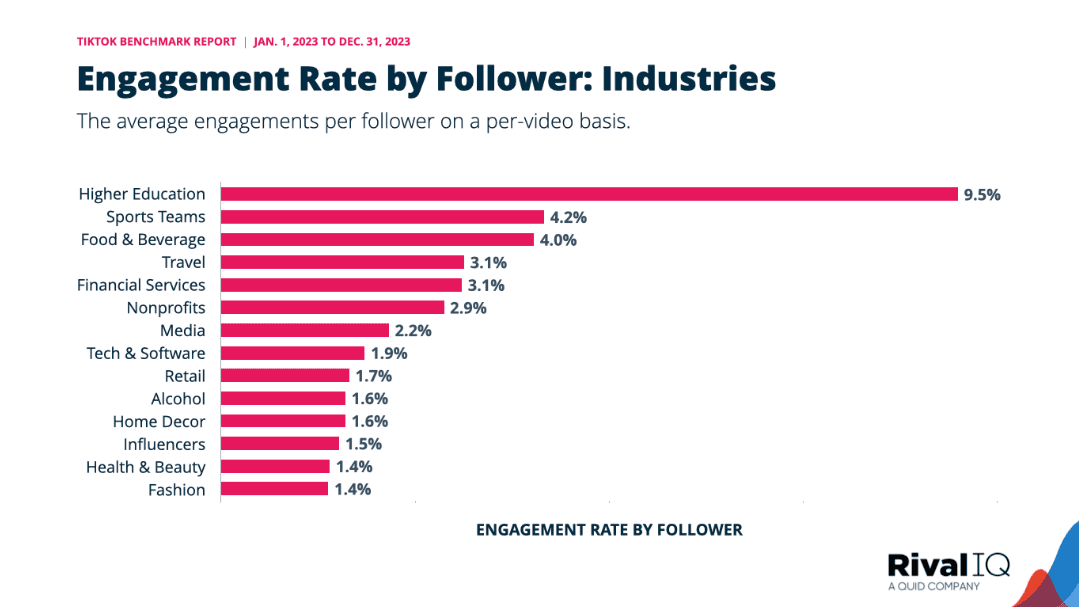
Pricing depends on usage rights, exclusivity, production complexity, and volume commitment far more than it depends on the platform itself. A phone-shot TikTok video and a scripted YouTube integration are different production categories, so treat them as separate line items in a budget rather than one blended creator cost.
As a starting rule, allocate a portion of the paid social budget specifically to creative production rather than folding it into media spend. Underfunding the creative side while overfunding distribution is the most common way a creator programme quietly stalls, since the ads keep running against the same handful of assets long after they have gone stale.
How Do You Measure TikTok and YouTube Creator Content Performance?
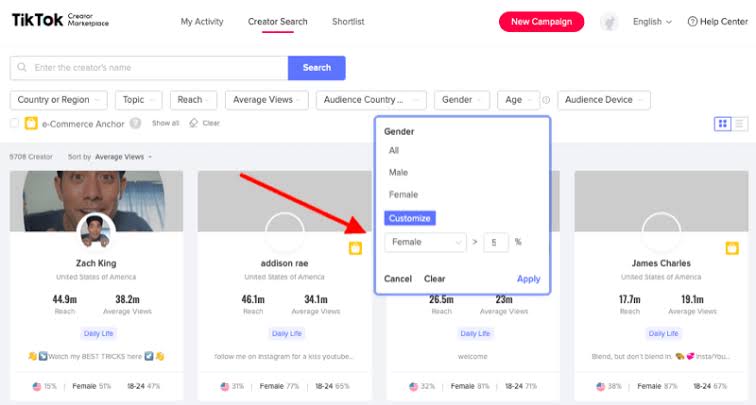
Judge each asset against the funnel stage it was built for. A TikTok hook video that racks up views but no clicks has not failed. It was never bought to close a sale.
Funnel Stage | Primary Metrics | What a Good Result Looks Like |
|---|---|---|
Awareness | Views, three-second hook retention, shares | The opening beat holds attention above account baseline |
Consideration | Average view duration, comments, saves | Viewers watch past the hook and ask questions |
Conversion | Click rate, cost per acquisition, conversions | Creative reduces acquisition cost against the control |
Retention | Subscribers, repeat views, branded search | Audience returns without being paid to return |
This matters more now that AI-generated summaries sit on top of search results. Search Engine Land's coverage of shifting SEO priorities points to original video and first-party creator content as the format that resists being summarised away, which is a large part of why branded search volume is worth tracking as a delayed outcome of creator content.
Pricing depends on usage rights, exclusivity, production complexity, and volume commitment far more than it depends on the platform itself. A phone-shot TikTok video and a scripted YouTube integration are different production categories, so treat them as separate line items in a budget rather than one blended creator cost.
As a starting rule, allocate a portion of the paid social budget specifically to creative production rather than folding it into media spend. Underfunding the creative side while overfunding distribution is the most common way a creator programme quietly stalls, since the ads keep running against the same handful of assets long after they have gone stale.
How Do You Measure TikTok and YouTube Creator Content Performance?
Judge each asset against the funnel stage it was built for. A TikTok hook video that racks up views but no clicks has not failed. It was never bought to close a sale.
Funnel Stage | Primary Metrics | What a Good Result Looks Like |
|---|---|---|
Awareness | Views, three-second hook retention, shares | The opening beat holds attention above account baseline |
Consideration | Average view duration, comments, saves | Viewers watch past the hook and ask questions |
Conversion | Click rate, cost per acquisition, conversions | Creative reduces acquisition cost against the control |
Retention | Subscribers, repeat views, branded search | Audience returns without being paid to return |
This matters more now that AI-generated summaries sit on top of search results. Search Engine Land's coverage of shifting SEO priorities points to original video and first-party creator content as the format that resists being summarised away, which is a large part of why branded search volume is worth tracking as a delayed outcome of creator content.
Sending a YouTube-style brief to a TikTok creator, which produces polished video that the algorithm treats as an ad.
Judging a single video instead of a batch. One asset is noise. A batch of five to ten reveals the pattern.
Ignoring the comment section, which is free research on the objections and language actual buyers use.
Ending the relationship after one video instead of iterating on the hook that performed.
Treating YouTube as a slower TikTok, when it is a search engine with a video wrapper and should be briefed accordingly.
For brands building this skill set in-house rather than outsourcing it, Copyblogger's roundup of content marketing courses is a useful starting point for the strategy layer, which is usually the gap rather than the production layer.
Frequently Asked Questions
Should a brand start with TikTok or YouTube creators?
Start with whichever funnel stage is weakest. If nobody has heard of the brand, TikTok creators build reach faster. If people know the brand but do not trust it yet, YouTube creators close that gap through depth.
Can one creator work across both platforms?
Often, yes. Many creators shoot a long-form YouTube video and cut it into TikTok and Shorts native versions from the same session. Ask about this during vetting, since it lowers cost per asset.
How many creators does a brand need to start testing?
Three to five creators across TikTok and YouTube gives enough variation in hook style and audience to read a pattern within a single batch.
Do TikTok and YouTube creators need different briefs?
The message stays the same. The technical spec does not. TikTok briefs should specify sound and trend flexibility. YouTube briefs should specify structure, pacing, and where the sponsor segment sits.
Is YouTube Shorts the same audience as TikTok?
Overlapping, not identical. Shorts pulls from YouTube's existing subscriber and search graph, while TikTok's For You page is built on interest signals rather than a subscription relationship.
How long before TikTok or YouTube creator content shows results?
Paid TikTok creative can show a cost per acquisition difference within a fortnight against a control. YouTube's compounding effect on search and trust usually needs a full quarter of consistent output to read clearly.
Should the brand or the creator own posting rights?
For paid media performance, brand-owned usage rights with a whitelisted handle usually outperform creator-posted content, since the brand can control targeting and testing budget directly.
Work With Creators Who Ship on Both Platforms We run TikTok and YouTube creator programmes for brands across the US, UK, and UAE, backed by a creator network built for both short-form and long-form production. Book a creator strategy call | See our content creation work |
Sending a YouTube-style brief to a TikTok creator, which produces polished video that the algorithm treats as an ad.
Judging a single video instead of a batch. One asset is noise. A batch of five to ten reveals the pattern.
Ignoring the comment section, which is free research on the objections and language actual buyers use.
Ending the relationship after one video instead of iterating on the hook that performed.
Treating YouTube as a slower TikTok, when it is a search engine with a video wrapper and should be briefed accordingly.
For brands building this skill set in-house rather than outsourcing it, Copyblogger's roundup of content marketing courses is a useful starting point for the strategy layer, which is usually the gap rather than the production layer.
Frequently Asked Questions
Should a brand start with TikTok or YouTube creators?
Start with whichever funnel stage is weakest. If nobody has heard of the brand, TikTok creators build reach faster. If people know the brand but do not trust it yet, YouTube creators close that gap through depth.
Can one creator work across both platforms?
Often, yes. Many creators shoot a long-form YouTube video and cut it into TikTok and Shorts native versions from the same session. Ask about this during vetting, since it lowers cost per asset.
How many creators does a brand need to start testing?
Three to five creators across TikTok and YouTube gives enough variation in hook style and audience to read a pattern within a single batch.
Do TikTok and YouTube creators need different briefs?
The message stays the same. The technical spec does not. TikTok briefs should specify sound and trend flexibility. YouTube briefs should specify structure, pacing, and where the sponsor segment sits.
Is YouTube Shorts the same audience as TikTok?
Overlapping, not identical. Shorts pulls from YouTube's existing subscriber and search graph, while TikTok's For You page is built on interest signals rather than a subscription relationship.
How long before TikTok or YouTube creator content shows results?
Paid TikTok creative can show a cost per acquisition difference within a fortnight against a control. YouTube's compounding effect on search and trust usually needs a full quarter of consistent output to read clearly.
Should the brand or the creator own posting rights?
For paid media performance, brand-owned usage rights with a whitelisted handle usually outperform creator-posted content, since the brand can control targeting and testing budget directly.
Work With Creators Who Ship on Both Platforms We run TikTok and YouTube creator programmes for brands across the US, UK, and UAE, backed by a creator network built for both short-form and long-form production. Book a creator strategy call | See our content creation work |


Related Posts




Related Posts
Related Posts
Motion labs
info@motionlabs.agency


+971 55317 1706
C-1802, ONTARIO TOWER, PLOT NO. 49-0, BUSINESS BAY, DUBAI, 00000
click to meet me :)
click to meet me :)
© All Rights Reserved | 2026


Motion labs
info@motionlabs.agency
+971 55317 1706
C-1802, ONTARIO TOWER, PLOT NO. 49-0, BUSINESS BAY, DUBAI, 00000
Private policy
Terms & Conditions
© All Rights Reserved | 2026
click to meet me :)