/
/
5 Effective Marketing Strategies for Startups
5 Effective Marketing Strategies for Startups
5 min
read
5 Effective Marketing Strategies for Startups
5 Effective Marketing Strategies for Startups
Startup
Marketing

Author

Scroll down
to read more!
Summerize with ChatGPT
Summerize with Gemini
Summerize with Claude
5 Effective Marketing Strategies for Startups
5 Effective Marketing Strategies for Startups
Every brand is making these big marketing mistakes, including you. And here is how you can correct it.
Every brand is making these big marketing mistakes, including you. And here is how you can correct it.
The 5 Best Marketing Strategies to Follow:
1. Build a Content Engine That Works 24/7
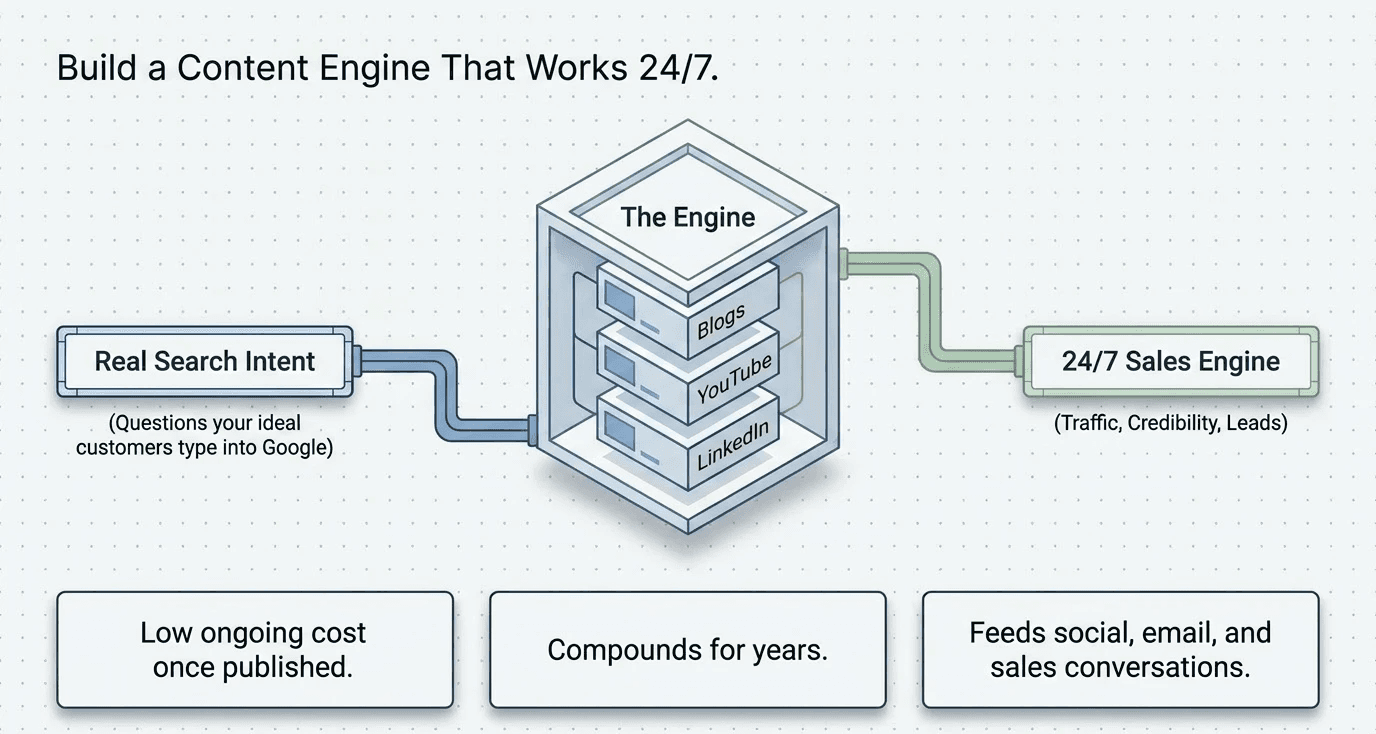
Content marketing is one of the most effective long-term strategies a startup can invest in, especially when you don't have a big ad budget. Let’s not make it complicated, you just have to do one thing: create useful, searchable content that answers questions your ideal customers are already typing into Google.
Think blog posts, how-to guides, comparison articles, YouTube videos, or even LinkedIn content. Over time, this content becomes a 24/7 sales engine. It drives traffic, builds trust, and brings in leads without you running a single ad.
Why it works for startups
• Low ongoing cost once content is published
• Compounds over time, good content keeps ranking for years
• Positions your startup as a credible voice in the space
• Feeds every other channel: social, email, sales conversations
The key is to write for real search intent, not just for the sake of publishing. Find the questions your audience is actually searching for, and answer them clearly. That's how you earn Google rankings and reader trust at the same time.
2. Use SEO to Get Found by Your Audience
Search engine optimization (SEO) is essentially the art of showing up when someone searches for what you offer. For startups, this is one of the most powerful marketing channels available, and one of the most underused.
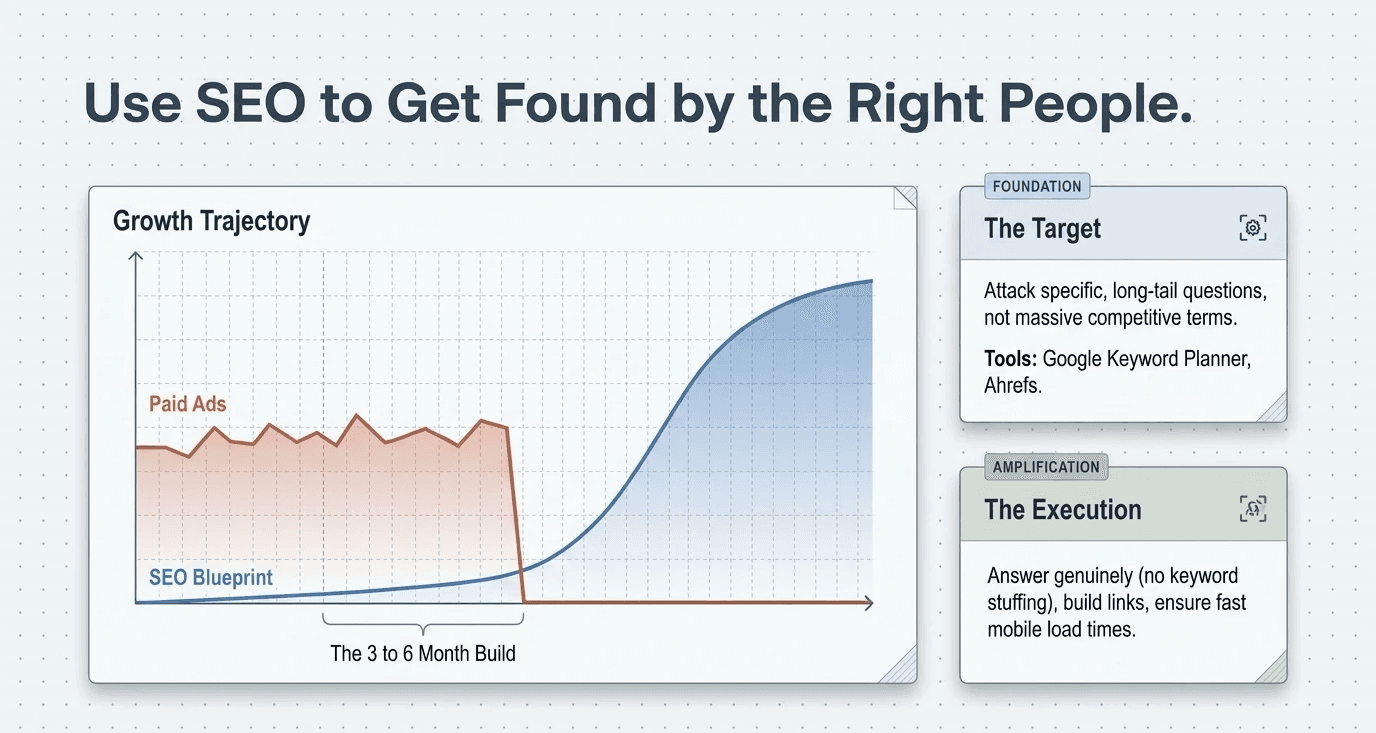
You don't need to rank for massive, competitive terms right away. In fact, you probably shouldn't try. The smarter play is to go after specific, longer phrases that your ideal customer is searching for, what marketers call long-tail keywords.
What a startup SEO strategy looks like in practice
• Research keywords your audience actually uses (Google Keyword Planner, Ahrefs, or even just searching and seeing what autocompletes)
• Optimise your website pages and blog posts around those terms
• Write content that genuinely answers questions, not just keyword-stuffed pages
• Build links by getting other sites to mention or link to your content
• Make sure your site loads fast and works well on mobile
SEO takes time, typically 3 to 6 months before you see meaningful traffic. But once it kicks in, it works continuously. Unlike paid ads, you don't stop getting traffic the moment you stop spending money.
Also Read: Human-made vs AI video: Which is perfect for Social Ads
3. Turn Your Customers into Your Marketing Team
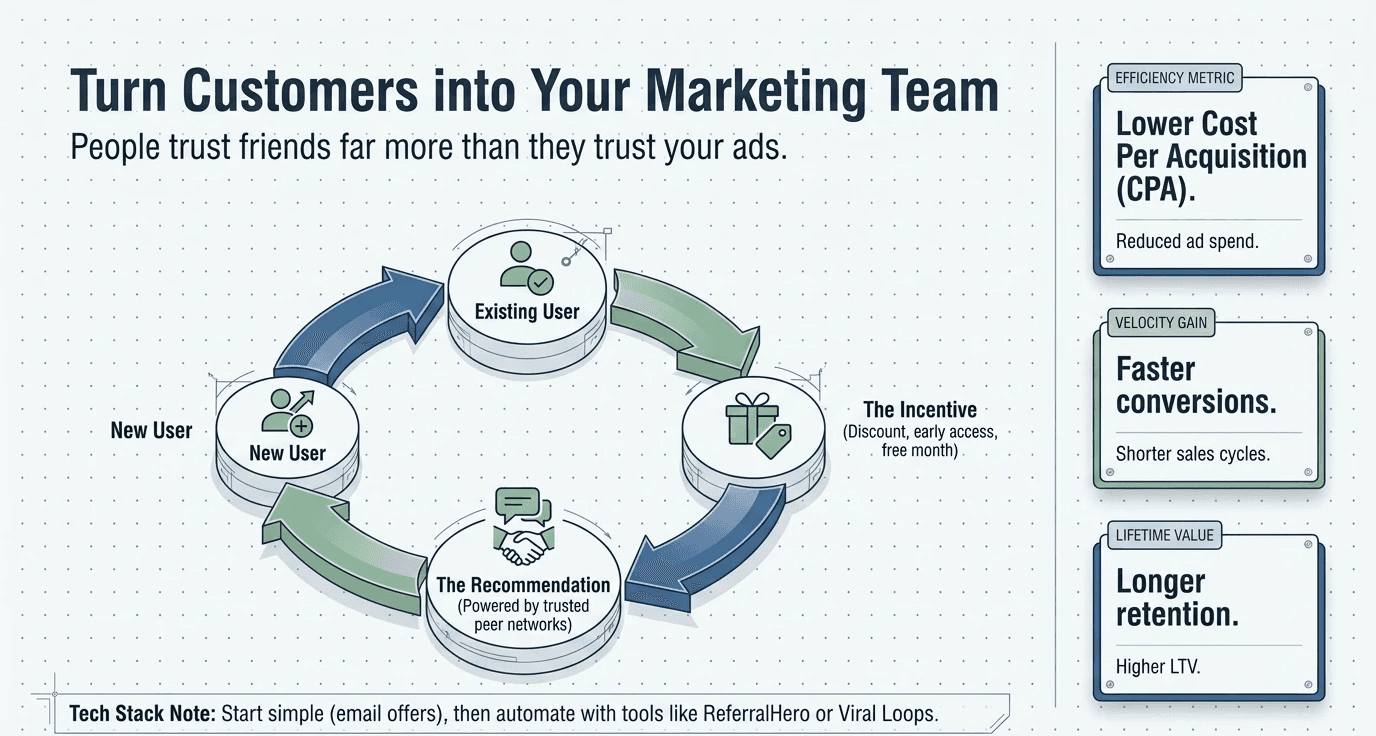
Referral marketing is one of the oldest and most reliable growth strategies in the book, and it's even more powerful now that sharing is built into every platform. This word-of-mouth marketing can beat your strategic campaign.
The concept is straightforward: incentivise your existing users or customers to bring in new ones. This could be through a formal referral program, affiliate links, a discount for sharing, or even early access to new features.
Why referrals work so well for startups
• People trust recommendations from friends and peers far more than ads
• Your best customers already believe in your product; they just need a reason to share
• Referral customers tend to convert faster and stick around longer
• The cost per acquisition is often much lower than paid channels
You don't need complex software to get started. Even a simple 'refer a friend, get a month free' offer sent to your existing users can generate meaningful results. As you scale, tools like ReferralHero or Viral Loops can help you automate the process.
The 5 Best Marketing Strategies to Follow:
1. Build a Content Engine That Works 24/7
Content marketing is one of the most effective long-term strategies a startup can invest in, especially when you don't have a big ad budget. Let’s not make it complicated, you just have to do one thing: create useful, searchable content that answers questions your ideal customers are already typing into Google.
Think blog posts, how-to guides, comparison articles, YouTube videos, or even LinkedIn content. Over time, this content becomes a 24/7 sales engine. It drives traffic, builds trust, and brings in leads without you running a single ad.
Why it works for startups
• Low ongoing cost once content is published
• Compounds over time, good content keeps ranking for years
• Positions your startup as a credible voice in the space
• Feeds every other channel: social, email, sales conversations
The key is to write for real search intent, not just for the sake of publishing. Find the questions your audience is actually searching for, and answer them clearly. That's how you earn Google rankings and reader trust at the same time.
2. Use SEO to Get Found by Your Audience
Search engine optimization (SEO) is essentially the art of showing up when someone searches for what you offer. For startups, this is one of the most powerful marketing channels available, and one of the most underused.
You don't need to rank for massive, competitive terms right away. In fact, you probably shouldn't try. The smarter play is to go after specific, longer phrases that your ideal customer is searching for, what marketers call long-tail keywords.
What a startup SEO strategy looks like in practice
• Research keywords your audience actually uses (Google Keyword Planner, Ahrefs, or even just searching and seeing what autocompletes)
• Optimise your website pages and blog posts around those terms
• Write content that genuinely answers questions, not just keyword-stuffed pages
• Build links by getting other sites to mention or link to your content
• Make sure your site loads fast and works well on mobile
SEO takes time, typically 3 to 6 months before you see meaningful traffic. But once it kicks in, it works continuously. Unlike paid ads, you don't stop getting traffic the moment you stop spending money.
Also Read: Human-made vs AI video: Which is perfect for Social Ads
3. Turn Your Customers into Your Marketing Team
Referral marketing is one of the oldest and most reliable growth strategies in the book, and it's even more powerful now that sharing is built into every platform. This word-of-mouth marketing can beat your strategic campaign.
The concept is straightforward: incentivise your existing users or customers to bring in new ones. This could be through a formal referral program, affiliate links, a discount for sharing, or even early access to new features.
Why referrals work so well for startups
• People trust recommendations from friends and peers far more than ads
• Your best customers already believe in your product; they just need a reason to share
• Referral customers tend to convert faster and stick around longer
• The cost per acquisition is often much lower than paid channels
You don't need complex software to get started. Even a simple 'refer a friend, get a month free' offer sent to your existing users can generate meaningful results. As you scale, tools like ReferralHero or Viral Loops can help you automate the process.
4. Invest in Short-Form Video Before Everyone Else Does
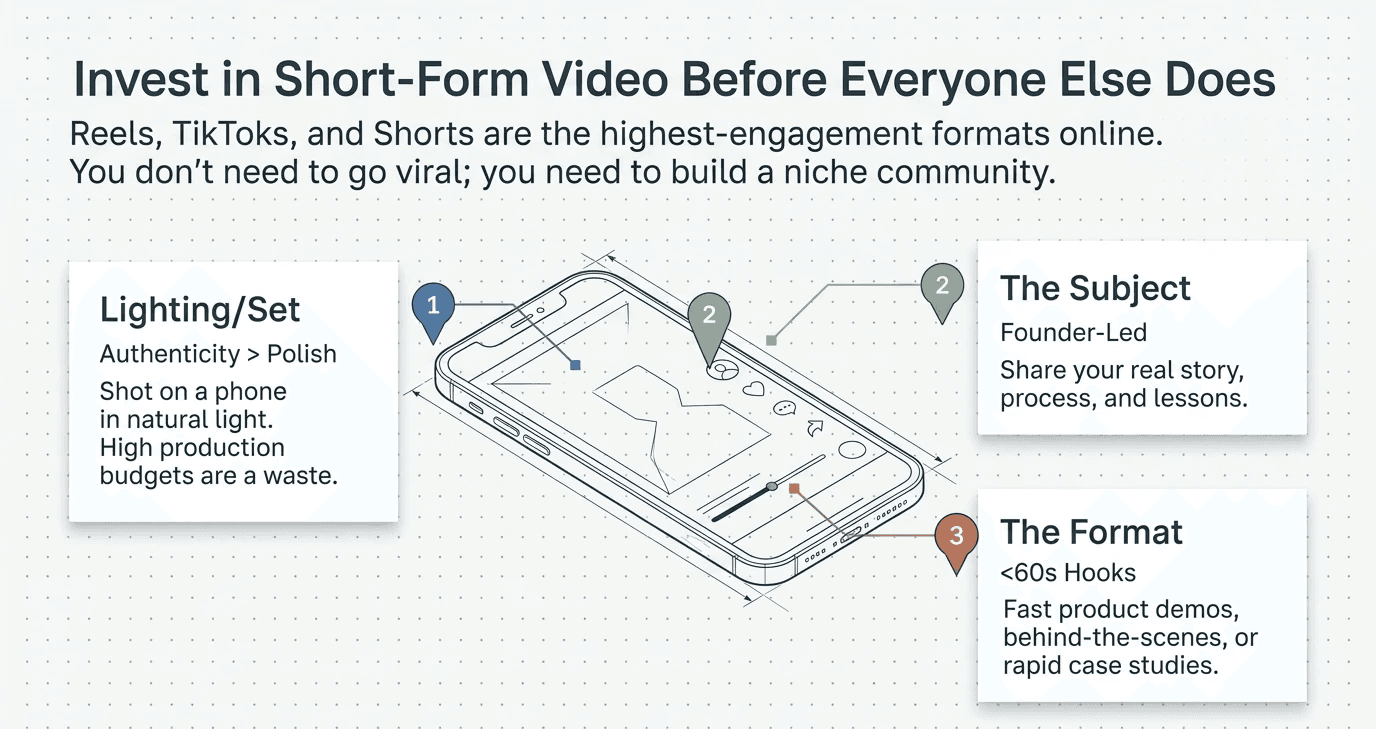
If you're not experimenting with short-form video in today’s social media, then you're leaving attention on the table. Reels, TikToks, YouTube Shorts, whatever platform your audience uses, short video content has become the highest-engagement format online.
The good news for startups? You don't need a production budget. Most of the best-performing short videos are shot on a phone, in good natural light, with a clear and honest message. Authenticity outperforms polish in this format.
How startups can use short-form video effectively
• Founder-led content: share your story, your process, your lessons
• Behind-the-scenes looks at how you build the product or deliver the service
• Quick tips or educational content in your niche
• Customer testimonials or case study walkthroughs
• Product demos or feature explainers under 60 seconds
You don't need to go viral. Consistent, niche-relevant short videos build a real audience over time, and that audience becomes a community that's far more likely to convert into customers.
5. Build an Email List from Day One
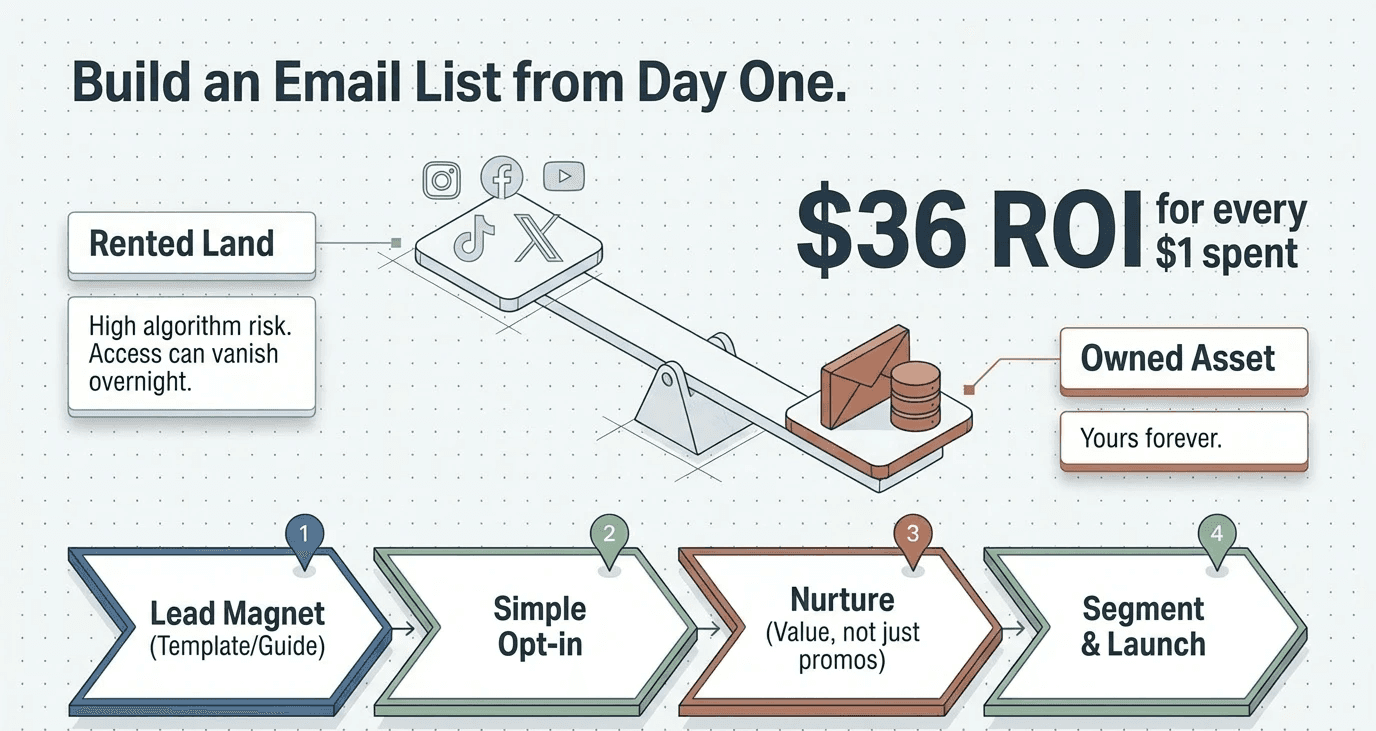
Email marketing is one of the most underrated strategies for startups. While everyone chases social media followers, the founders who win in the long term are the ones quietly building email lists.
Here's why: you own your email list. If Instagram changes its algorithm tomorrow or your TikTok account gets restricted, you lose access to your audience. But your email list stays yours, forever.
How to start building a customised list
• Create a lead magnet: something free and valuable that people give their email to get, such as a checklist, a mini guide, a free template, or a webinar.
• Add simple opt-in forms to your website, blog posts, and landing pages
• Nurture subscribers with weekly or bi-weekly emails, not just promotions
• Segment your list as it grows so you can send more relevant messages
• Use email to announce launches, share updates, and drive traffic back to your content.
Email also tends to have the highest ROI of any marketing channel. According to Mailchimp data, email marketing returns around $36 for every $1 spent on average, and for well-segmented startup lists, that number is often even higher.
The best time to start building your list was day one. The second-best time is right now.
Also Read: How influencer marketing fails: And how to fix it
Steps to Build the Right Marketing Strategy for Your Startup
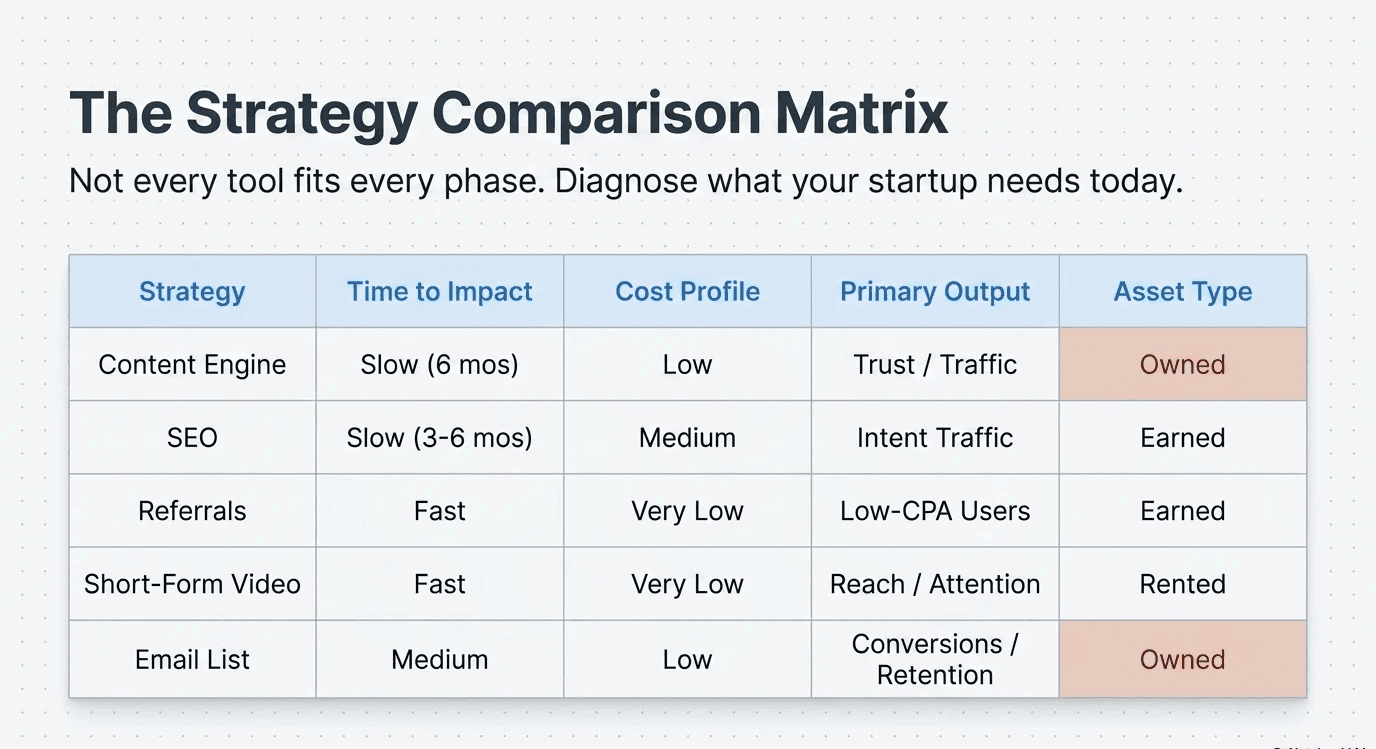
Not every strategy fits every startup. Here's a quick way to think about which to prioritise:
1. Start with your audience. Where do they spend time? What do they search for? What problems are they trying to solve?
2. Pick 2 strategies, max. Don't spread yourself thin across five channels at once. Go deep on two before you add more.
3. Set a 90-day test. Give each strategy enough time to show results before you judge it. Most strategies take at least 60–90 days to kick in.
4. Track what matters. Not vanity metrics but real business numbers, leads, trials, demos booked, revenue.
4. Invest in Short-Form Video Before Everyone Else Does
If you're not experimenting with short-form video in today’s social media, then you're leaving attention on the table. Reels, TikToks, YouTube Shorts, whatever platform your audience uses, short video content has become the highest-engagement format online.
The good news for startups? You don't need a production budget. Most of the best-performing short videos are shot on a phone, in good natural light, with a clear and honest message. Authenticity outperforms polish in this format.
How startups can use short-form video effectively
• Founder-led content: share your story, your process, your lessons
• Behind-the-scenes looks at how you build the product or deliver the service
• Quick tips or educational content in your niche
• Customer testimonials or case study walkthroughs
• Product demos or feature explainers under 60 seconds
You don't need to go viral. Consistent, niche-relevant short videos build a real audience over time, and that audience becomes a community that's far more likely to convert into customers.
5. Build an Email List from Day One
Email marketing is one of the most underrated strategies for startups. While everyone chases social media followers, the founders who win in the long term are the ones quietly building email lists.
Here's why: you own your email list. If Instagram changes its algorithm tomorrow or your TikTok account gets restricted, you lose access to your audience. But your email list stays yours, forever.
How to start building a customised list
• Create a lead magnet: something free and valuable that people give their email to get, such as a checklist, a mini guide, a free template, or a webinar.
• Add simple opt-in forms to your website, blog posts, and landing pages
• Nurture subscribers with weekly or bi-weekly emails, not just promotions
• Segment your list as it grows so you can send more relevant messages
• Use email to announce launches, share updates, and drive traffic back to your content.
Email also tends to have the highest ROI of any marketing channel. According to Mailchimp data, email marketing returns around $36 for every $1 spent on average, and for well-segmented startup lists, that number is often even higher.
The best time to start building your list was day one. The second-best time is right now.
Also Read: How influencer marketing fails: And how to fix it
Steps to Build the Right Marketing Strategy for Your Startup
Not every strategy fits every startup. Here's a quick way to think about which to prioritise:
1. Start with your audience. Where do they spend time? What do they search for? What problems are they trying to solve?
2. Pick 2 strategies, max. Don't spread yourself thin across five channels at once. Go deep on two before you add more.
3. Set a 90-day test. Give each strategy enough time to show results before you judge it. Most strategies take at least 60–90 days to kick in.
4. Track what matters. Not vanity metrics but real business numbers, leads, trials, demos booked, revenue.
Conclusion
Marketing a startup is hard. But it doesn't have to be complicated. The founders who grow fastest aren't the ones with the biggest budgets; they're the ones who pick the right strategies, stay consistent, and keep optimizing.
Content and SEO build your long-term foundation. Referrals and email build relationships you actually own. Short-form video gets you in front of new audiences right now.
Start with one or two of these strategies. Go deep. Measure everything. Then layer in more as your team and resources grow.
And if you want help executing any of this, that's what we do.
Ready to Grow Your Startup? We are the marketing agency that turns these strategies into real results for your startup. From content and SEO to video campaigns and social media, we build growth systems that actually work. → Let's build your marketing engine together. Get in touch with Motion Labs today. |
Frequently Asked Questions
Q: What is the most effective marketing strategy for a startup?
There's no single answer; it depends on your audience, product, and budget. But for most early-stage startups, a mix of content marketing, SEO, and referral programs tends to work well because these build momentum over time without burning through cash.
Q: How much should a startup spend on marketing?
A common rule of thumb is to allocate 10–20% of your projected revenue toward marketing. But if you're pre-revenue, focus on low-cost, high-return strategies like content, social media, and community building first.
Q: How do I create a startup marketing plan from scratch?
Start by defining your target audience clearly. Then choose 2–3 channels where they spend time. Set specific goals (e.g., 500 site visits in 90 days), create a content plan, and track your numbers every week. Adjust based on what's working.
Q: Is SEO a good strategy for startups?
Yes, absolutely. SEO takes time, usually 3–6 months to see real results, but it pays off in the long term. Startups that invest early in keyword-targeted content rank consistently on Google and get free, ongoing traffic without paying for ads.
Q: What is growth hacking in marketing?
Growth hacking means running quick, low-cost experiments to figure out what grows your user base fastest. Think referral programs, product-led growth loops, or viral sharing mechanics built directly into your product or service.
Q: How can startups use social media effectively without a big team?
Focus on one or two platforms where your audience actually hangs out. Post consistently, use short-form video, engage with comments, and repurpose content across formats. You don't need to be everywhere; you just need to be consistent somewhere.
Q: Should startups use paid ads early on?
Paid ads can work, but they're risky without a proven message and funnel. It's usually smarter to validate your offer organically first, then scale with paid once you know what converts. Burning ad spend on an untested message is one of the most common startup marketing mistakes.
Conclusion
Marketing a startup is hard. But it doesn't have to be complicated. The founders who grow fastest aren't the ones with the biggest budgets; they're the ones who pick the right strategies, stay consistent, and keep optimizing.
Content and SEO build your long-term foundation. Referrals and email build relationships you actually own. Short-form video gets you in front of new audiences right now.
Start with one or two of these strategies. Go deep. Measure everything. Then layer in more as your team and resources grow.
And if you want help executing any of this, that's what we do.
Ready to Grow Your Startup? We are the marketing agency that turns these strategies into real results for your startup. From content and SEO to video campaigns and social media, we build growth systems that actually work. → Let's build your marketing engine together. Get in touch with Motion Labs today. |
Frequently Asked Questions
Q: What is the most effective marketing strategy for a startup?
There's no single answer; it depends on your audience, product, and budget. But for most early-stage startups, a mix of content marketing, SEO, and referral programs tends to work well because these build momentum over time without burning through cash.
Q: How much should a startup spend on marketing?
A common rule of thumb is to allocate 10–20% of your projected revenue toward marketing. But if you're pre-revenue, focus on low-cost, high-return strategies like content, social media, and community building first.
Q: How do I create a startup marketing plan from scratch?
Start by defining your target audience clearly. Then choose 2–3 channels where they spend time. Set specific goals (e.g., 500 site visits in 90 days), create a content plan, and track your numbers every week. Adjust based on what's working.
Q: Is SEO a good strategy for startups?
Yes, absolutely. SEO takes time, usually 3–6 months to see real results, but it pays off in the long term. Startups that invest early in keyword-targeted content rank consistently on Google and get free, ongoing traffic without paying for ads.
Q: What is growth hacking in marketing?
Growth hacking means running quick, low-cost experiments to figure out what grows your user base fastest. Think referral programs, product-led growth loops, or viral sharing mechanics built directly into your product or service.
Q: How can startups use social media effectively without a big team?
Focus on one or two platforms where your audience actually hangs out. Post consistently, use short-form video, engage with comments, and repurpose content across formats. You don't need to be everywhere; you just need to be consistent somewhere.
Q: Should startups use paid ads early on?
Paid ads can work, but they're risky without a proven message and funnel. It's usually smarter to validate your offer organically first, then scale with paid once you know what converts. Burning ad spend on an untested message is one of the most common startup marketing mistakes.
the call your competitor wish you would'nt take


Related Posts





Related Posts
Related Posts
Motion labs
info@motionlabs.agency


+971 55317 1706
C-1802, ONTARIO TOWER, PLOT NO. 49-0, BUSINESS BAY, DUBAI, 00000
click to meet me :)
click to meet me :)
© All Rights Reserved | 2026


Motion labs
info@motionlabs.agency
+971 55317 1706
C-1802, ONTARIO TOWER, PLOT NO. 49-0, BUSINESS BAY, DUBAI, 00000
Private policy
Terms & Conditions
© All Rights Reserved | 2026
click to meet me :)