/
/
10 Effective Marketing Strategies For 2026
10 Effective Marketing Strategies For 2026
5 min
read
10 Effective Marketing Strategies For 2026
10 Effective Marketing Strategies For 2026
Marketing
Strategy

Author

Scroll down
to read more!
Summerize with ChatGPT
Summerize with Gemini
Summerize with Claude
10 Effective Marketing Strategies For 2026
10 Effective Marketing Strategies For 2026
Your marketing is not growing, just because you are not using these strategies in your marketing.
Your marketing is not growing, just because you are not using these strategies in your marketing.
What is a Marketing Strategy?
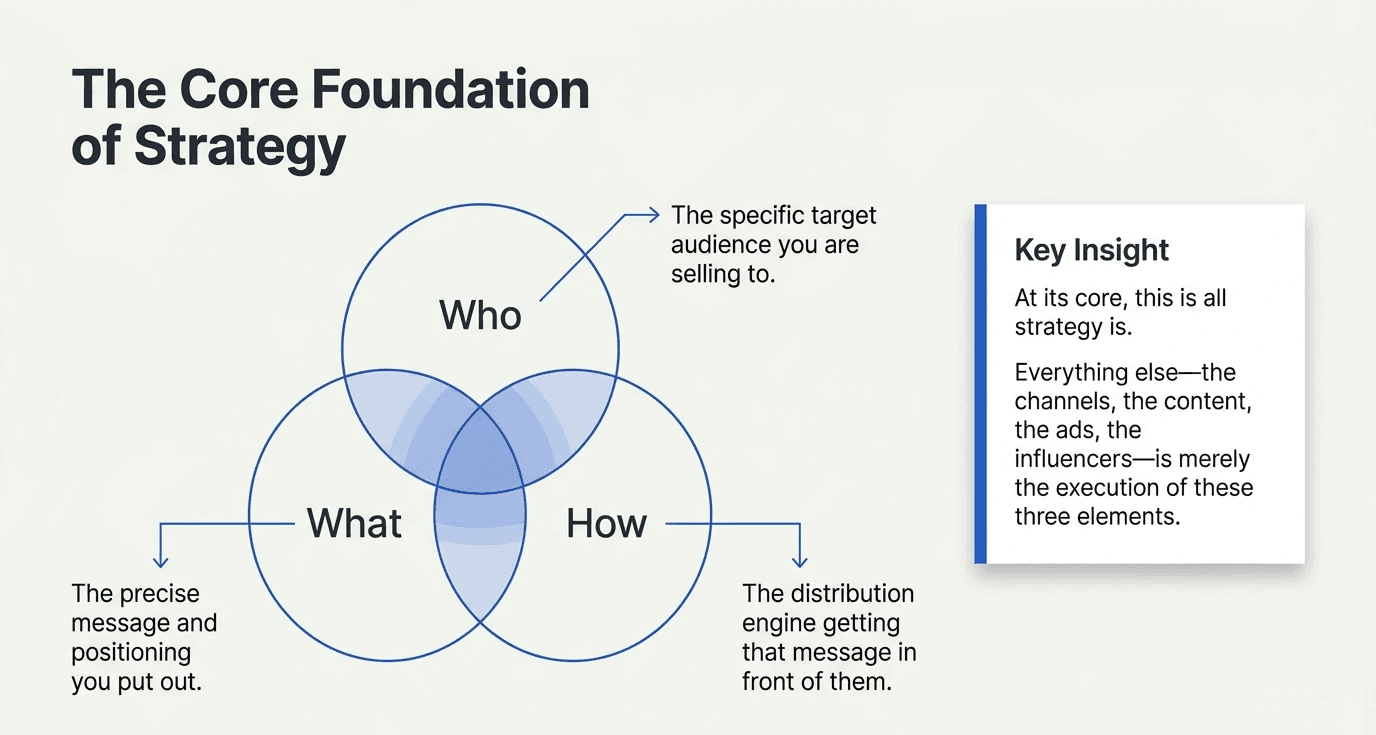
A marketing strategy is a plan for how you're going to reach people, make them aware of your product, and convince them to buy it.
It answers three basic questions:
Who are you selling to?
What message are you putting out?
How are you getting that message in front of them?
That's it at its core. Everything else, the channels, the content, the ads, the influencers, is just execution of those three things.
Also read: 5 Best marketing strategies for startups
How to Make Effective Marketing Strategies?
Yes, you are putting effort into your marketing, but with a lot of mistakes in your strategies. Here is what you are doing wrong, and how you can fix it:
1. AI-Powered Personalisation
Problem: You're sending the same email to every segment or customer and calling it "targeted." But the truth is, generic messaging gets ignored, and your open rates drop because nobody feels like you're talking to them.
Fix: Use tools like Klaviyo or HubSpot AI to personalise by behaviour trigger first, cart abandonment, and page visits. Then layer in deeper preference data. Start small, build from there.
2. Short-Form Video Marketing
Problem: You're repurposing long-form ads into Reels and posting once a week, then wondering why the algorithm ignores you.
Fix: Build content natively for short-form. Hook in the first 2 seconds. Post 4–5 times a week minimum. Add your own take to trends, don't just copy them.
3. Creator & Influencer Marketing
Problem: You're chasing follower counts and partnering up with mega-influencers for vanity metrics. And at the end, you are getting high spend, low conversions, because the audience has no real trust in your product.
Fix: Go with micro Influencers with 10K–100K followers in a specific niche, consistently outperforming celebrities on conversion. Prioritise engagement rate and audience-brand fit. Build long-term relationships, not one-off posts.
Also read: What can a digital marketing agency do for your brand?
What is a Marketing Strategy?
A marketing strategy is a plan for how you're going to reach people, make them aware of your product, and convince them to buy it.
It answers three basic questions:
Who are you selling to?
What message are you putting out?
How are you getting that message in front of them?
That's it at its core. Everything else, the channels, the content, the ads, the influencers, is just execution of those three things.
Also read: 5 Best marketing strategies for startups
How to Make Effective Marketing Strategies?
Yes, you are putting effort into your marketing, but with a lot of mistakes in your strategies. Here is what you are doing wrong, and how you can fix it:
1. AI-Powered Personalisation
Problem: You're sending the same email to every segment or customer and calling it "targeted." But the truth is, generic messaging gets ignored, and your open rates drop because nobody feels like you're talking to them.
Fix: Use tools like Klaviyo or HubSpot AI to personalise by behaviour trigger first, cart abandonment, and page visits. Then layer in deeper preference data. Start small, build from there.
2. Short-Form Video Marketing
Problem: You're repurposing long-form ads into Reels and posting once a week, then wondering why the algorithm ignores you.
Fix: Build content natively for short-form. Hook in the first 2 seconds. Post 4–5 times a week minimum. Add your own take to trends, don't just copy them.
3. Creator & Influencer Marketing
Problem: You're chasing follower counts and partnering up with mega-influencers for vanity metrics. And at the end, you are getting high spend, low conversions, because the audience has no real trust in your product.
Fix: Go with micro Influencers with 10K–100K followers in a specific niche, consistently outperforming celebrities on conversion. Prioritise engagement rate and audience-brand fit. Build long-term relationships, not one-off posts.
Also read: What can a digital marketing agency do for your brand?
4. SEO for AI Search (GEO/AIO)
Problem: You're still optimizing for blue-link rankings while AI answer engines are eating your traffic. If your brand isn't cited in AI Overviews or Perplexity answers
Fix: Write content that answers specific questions clearly and directly. Use structured headers and FAQs. Build topical authority across a cluster of related topics. AI engines favor comprehensive, trustworthy sources.
5. Community-Led Growth
Problem: You have a dead Discord with 200 members who never talk. A ghost community does more damage than no community; it signals your brand is unengaged.
Fix: Pick one platform where your audience already hangs out. Show up daily. Give members exclusive value, early access, AMAs, and behind-the-scenes. Assign someone to own it. Communities need energy input before they become self-sustaining.
6. UGC Campaigns
Problem: You're waiting for UGC to happen on its own, or you ran one contest six months ago and called it a strategy. Without a system, UGC is sporadic and impossible to scale.
Fix: Build a repeatable pipeline. Offer incentives, discounts, features, and shoutouts. Give customers prompts that make it easy to create. Use AI UGC tools to fill gaps. Then repurpose everything: ads, emails, and websites.
7. Email & SMS Automation
Problem: You have a welcome email and a monthly newsletter. That's it. You're leaving revenue on the table from people who showed buying intent and never heard from you again.
Fix: Map your full customer journey and build flows for every key moment, welcome series, browse abandonment, post-purchase, and win-back. Keep messages short and human. SMS for urgency, email for nurture.
8. Long-Form Content & Thought Leadership
Problem: You're posting 500-word keyword-stuffed blog posts that say nothing new. This worked in 2015. Now it signals low effort and tanks your credibility with Google and real readers.
Fix: Write fewer pieces but make them genuinely useful, 1,500 to 3,000 words with original takes, data, and examples. Include your own perspective, not just a recap of what everyone else says. That's what earns backlinks and compounding traffic.
Also read: How to automate your social media.
9. Paid Social Advertising
Problem: You set one campaign, pick one creative, let it run for a month, and wonder why ROAS is terrible. Or you're targeting too broadly because you're afraid to niche down.
Fix: Creative is the new targeting. Test 5–10 ad variations per campaign and let data pick winners fast. Use tight, specific audiences and expand once you find what converts. Refresh creativity every 2–3 weeks to avoid fatigue.
10. Data-Driven Decision Making
Problem: You track likes, impressions, and followers and call it marketing performance. You have no idea which channel actually drives revenue or where customers drop off.
Fix: Define 3–5 KPIs tied to business outcomes, CAC, LTV, conversion rate, and revenue per channel. Build a simple attribution model. Review weekly. Kill what doesn't move the needle within 30–60 days. Make data accessible to your whole team, not just analysts.
4. SEO for AI Search (GEO/AIO)
Problem: You're still optimizing for blue-link rankings while AI answer engines are eating your traffic. If your brand isn't cited in AI Overviews or Perplexity answers
Fix: Write content that answers specific questions clearly and directly. Use structured headers and FAQs. Build topical authority across a cluster of related topics. AI engines favor comprehensive, trustworthy sources.
5. Community-Led Growth
Problem: You have a dead Discord with 200 members who never talk. A ghost community does more damage than no community; it signals your brand is unengaged.
Fix: Pick one platform where your audience already hangs out. Show up daily. Give members exclusive value, early access, AMAs, and behind-the-scenes. Assign someone to own it. Communities need energy input before they become self-sustaining.
6. UGC Campaigns
Problem: You're waiting for UGC to happen on its own, or you ran one contest six months ago and called it a strategy. Without a system, UGC is sporadic and impossible to scale.
Fix: Build a repeatable pipeline. Offer incentives, discounts, features, and shoutouts. Give customers prompts that make it easy to create. Use AI UGC tools to fill gaps. Then repurpose everything: ads, emails, and websites.
7. Email & SMS Automation
Problem: You have a welcome email and a monthly newsletter. That's it. You're leaving revenue on the table from people who showed buying intent and never heard from you again.
Fix: Map your full customer journey and build flows for every key moment, welcome series, browse abandonment, post-purchase, and win-back. Keep messages short and human. SMS for urgency, email for nurture.
8. Long-Form Content & Thought Leadership
Problem: You're posting 500-word keyword-stuffed blog posts that say nothing new. This worked in 2015. Now it signals low effort and tanks your credibility with Google and real readers.
Fix: Write fewer pieces but make them genuinely useful, 1,500 to 3,000 words with original takes, data, and examples. Include your own perspective, not just a recap of what everyone else says. That's what earns backlinks and compounding traffic.
Also read: How to automate your social media.
9. Paid Social Advertising
Problem: You set one campaign, pick one creative, let it run for a month, and wonder why ROAS is terrible. Or you're targeting too broadly because you're afraid to niche down.
Fix: Creative is the new targeting. Test 5–10 ad variations per campaign and let data pick winners fast. Use tight, specific audiences and expand once you find what converts. Refresh creativity every 2–3 weeks to avoid fatigue.
10. Data-Driven Decision Making
Problem: You track likes, impressions, and followers and call it marketing performance. You have no idea which channel actually drives revenue or where customers drop off.
Fix: Define 3–5 KPIs tied to business outcomes, CAC, LTV, conversion rate, and revenue per channel. Build a simple attribution model. Review weekly. Kill what doesn't move the needle within 30–60 days. Make data accessible to your whole team, not just analysts.
Conclusion
Difference between, marketing strategy and good marketing strategy is so thin that everyone ignores it. You know there is something wrong with your marketing strategy but you don't know what. But we know.
Connect now, and build a perfect marketing strategy with us.
FAQ
Q1. What is the most effective marketing strategy in 2026?
There's no single answer, but short-form video and AI personalization are leading right now. If you can only pick one, go where your audience spends the most time and show up there consistently.
Q2. How much should a small business spend on marketing?
A common rule is 5–10% of your revenue. If you're early stage and trying to grow fast, push it closer to 15%. The channel matters less than whether you're actually tracking what that spend is returning.
Q3. Do I need to be on every social media platform?
No. Pick one or two where your target audience actually hangs out and do those well. Spreading thin across six platforms with mediocre content is worse than owning one platform with great content.
Q4. How long does it take for a marketing strategy to show results?
Paid ads can show results in days. SEO and content marketing take 3–6 months minimum. Community and brand building can take a year or more. Most people quit too early; consistency over time is what separates brands that grow from those that plateau.
Q5. What's the difference between marketing strategy and marketing tactics?
Strategy is the plan, who you're targeting, what position you want to own, and why someone should choose you. Tactics are how you execute it, the posts, the ads, the emails. Most businesses jump straight to tactics without a strategy, which is why their marketing feels scattered and doesn't compound.
Conclusion
Difference between, marketing strategy and good marketing strategy is so thin that everyone ignores it. You know there is something wrong with your marketing strategy but you don't know what. But we know.
Connect now, and build a perfect marketing strategy with us.
FAQ
Q1. What is the most effective marketing strategy in 2026?
There's no single answer, but short-form video and AI personalization are leading right now. If you can only pick one, go where your audience spends the most time and show up there consistently.
Q2. How much should a small business spend on marketing?
A common rule is 5–10% of your revenue. If you're early stage and trying to grow fast, push it closer to 15%. The channel matters less than whether you're actually tracking what that spend is returning.
Q3. Do I need to be on every social media platform?
No. Pick one or two where your target audience actually hangs out and do those well. Spreading thin across six platforms with mediocre content is worse than owning one platform with great content.
Q4. How long does it take for a marketing strategy to show results?
Paid ads can show results in days. SEO and content marketing take 3–6 months minimum. Community and brand building can take a year or more. Most people quit too early; consistency over time is what separates brands that grow from those that plateau.
Q5. What's the difference between marketing strategy and marketing tactics?
Strategy is the plan, who you're targeting, what position you want to own, and why someone should choose you. Tactics are how you execute it, the posts, the ads, the emails. Most businesses jump straight to tactics without a strategy, which is why their marketing feels scattered and doesn't compound.
the call your competitor wish you would'nt take


Related Posts




Related Posts
Related Posts
Motion labs
info@motionlabs.agency


+971 55317 1706
C-1802, ONTARIO TOWER, PLOT NO. 49-0, BUSINESS BAY, DUBAI, 00000
click to meet me :)
click to meet me :)
© All Rights Reserved | 2026


Motion labs
info@motionlabs.agency
+971 55317 1706
C-1802, ONTARIO TOWER, PLOT NO. 49-0, BUSINESS BAY, DUBAI, 00000
Private policy
Terms & Conditions
© All Rights Reserved | 2026
click to meet me :)